




23 February, 2026


When people think of Japan, major cities like Tokyo, Osaka, and Kyoto often come to mind. However, beyond these bustling metropolises, there are numerous cities and towns known for their quality of life, such as Yokohama, Kobe, Fukuoka, and Shizuoka. But what about even more rural locations?
With the rise of remote and hybrid work and the growing interest in low-cost housing (the so-called “akiya” craze) in Japan, options for foreigners looking to relocate are expanding to include rural areas. From medium-sized cities like Kurashiki City (Okayama Prefecture), to small towns like Ayabe (Kyoto Prefecture), the choices are vast. However, information about these locations as potential relocation options has been limited. So, what are the most livable small towns in Japan? Enter the Japanese magazine 田舎暮らし (Inaka Gurashi/Country Living).
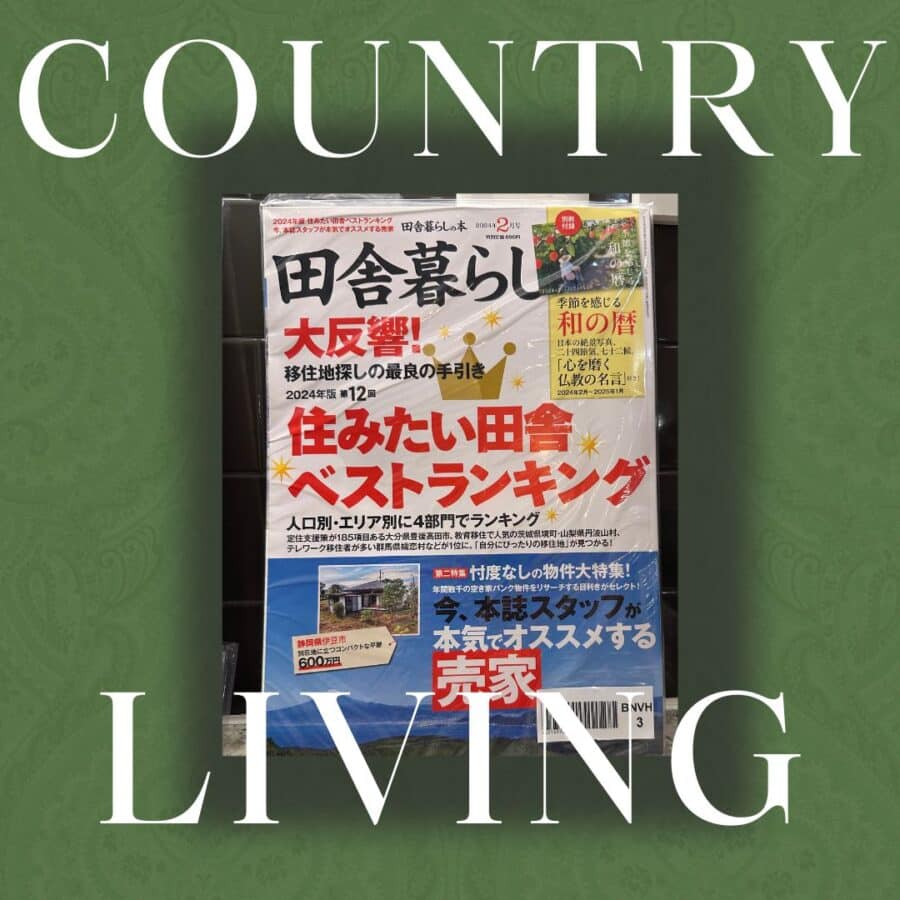
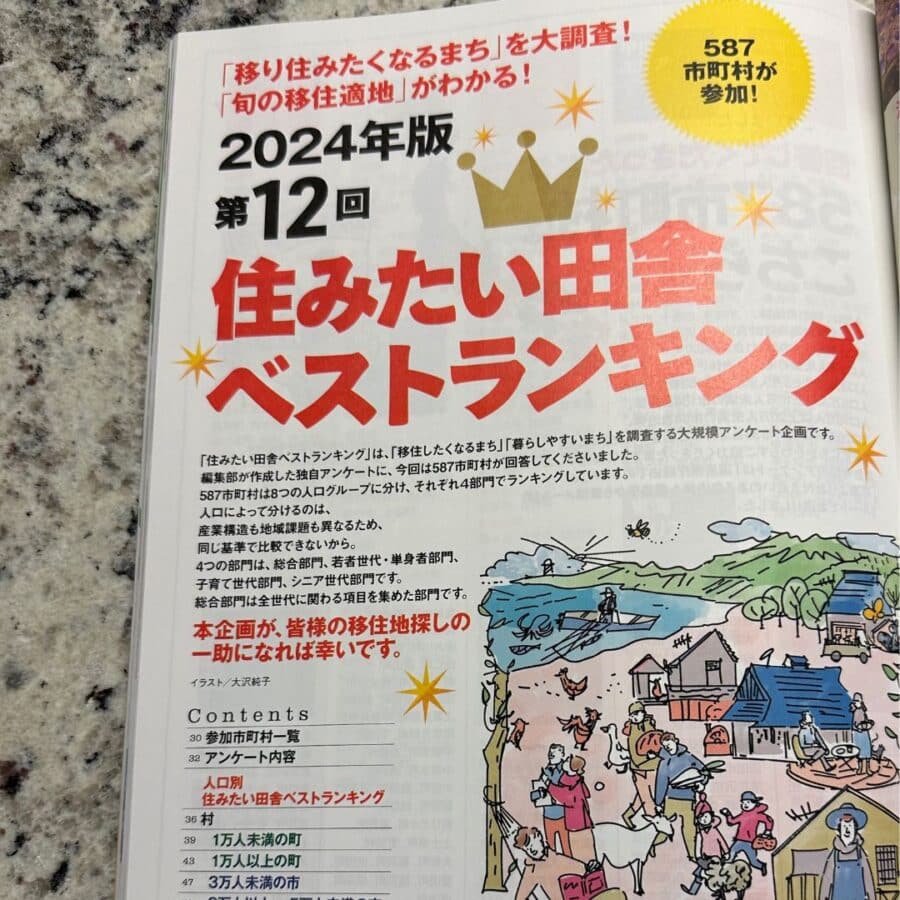
Having lived in a rural town of Japan myself, thanks to the JET Program, I have firsthand experience with small-town life in a lesser-known prefecture. While I’m familiar with rural towns in that region, I can’t speak for the entire country. That’s why I searched in Japanese for “ranking of the best rural places to live.” I tried using phrases like 暮らしやすい地方のランキング and 住みやすい田舎のランキング. To my delight, I found a result that matched my query almost exactly: 住みたい田舎ベストランキング (ranking of the best rural places people want to live), published in 田舎暮らし. It was an amazing find! The whole publication is dedicated to discussing the most livable small cities in Japan and other rural areas. Each year, their February edition features these rankings.
Hi! Are you planning your move to Japan? It’s stressful and confusing!
That’s why we made Japan Remotely Academy.
It’s years of hard-learned lessons, condensed into an easy-to-follow library of resources: how to get better jobs, find the best places to live, find foreigner-friendly housing and employment, and more! So you can move to Japan the best way for you (and the best way for Japan!) the first time around!
The magazine didn’t have an easily accessible online version, but I found a summary of the 2024 rankings. They categorize their rankings based on three reader profiles: young people, families, and seniors, with a final combined ranking. These categories are then applied to eight tiers of community size, ranging from villages to cities with populations over 200,000.
Looking at the communities listed in the rankings, I recognized very few (despite my decently long Japan residency tenure and lifelong fascination), which I took as a good sign. I’m interested in finding out which towns and cities the Japanese consider the best for full-time living. Not just popular tourist destinations. Below are the combined ranking winners for each community tier, along with a Google Map link:
| Tier (population) | Combined Ranking 1st place winner for best community |
| Village | Tabayama, Yamanashi |
| Town less than 10K | Namie-cho, Fukushima |
| Town more than 10K | Kotoura-cho, Tottori |
| City less than 30K | Bungotakada, Oita |
| City between 30-50K | Ena, Gifu |
| City between 50-100K | Kurihara, Miyagi |
| City between 100-200K | Imabari, Ehime |
| City over 200K | Matsuyama, Ehime |
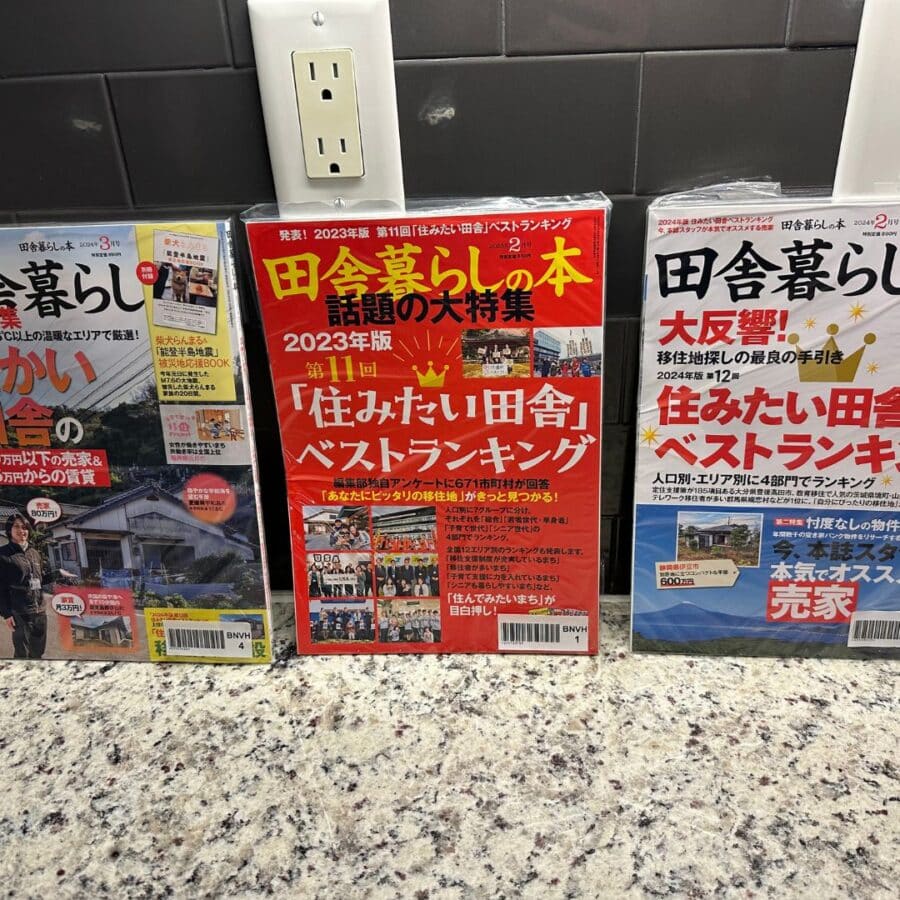
There is an online article with the rankings includes brief descriptions of each town or city, which are worth checking out. However, there wasn’t much information about why these places in Japan were considered “the best.” To get the full picture, I decided to buy the magazine. It was only available from Japanese e-commerce websites, so I used Zenmarket to help purchase and ship them to me. The magazine was a bit hard to find, but the Zenmarket support team was more than helpful. I also got a couple more editions of 田舎暮らし and the Crayon Shin-chan Manga Anthology, just for fun! Who knows? Maybe I can write it off as a deeper dive into the lifestyle benefits of Kasukabe City!
See also 👉 How to Move to Japan: A Realistic [and Comprehensive!] Guide
For those of you looking to discover new small-town destinations, I also pulled together some other Japanese rankings from popular sources. Here’s where they suggest…
This magazine also had a robust list of locations to check out. While I’ve heard of more of these places, the main article also spells out some great additional points, such as local child-rearing stipends, medical care, relocation support, shopping and daily needs. Below are their recommended locations, listed from smallest to largest.
(population less than 10,000)
(population 10,000-20,000)
(population 20,000-30,000)
(population 30,000-50,000)
(population 50,000-100,000)
(population 100,000-200,000)
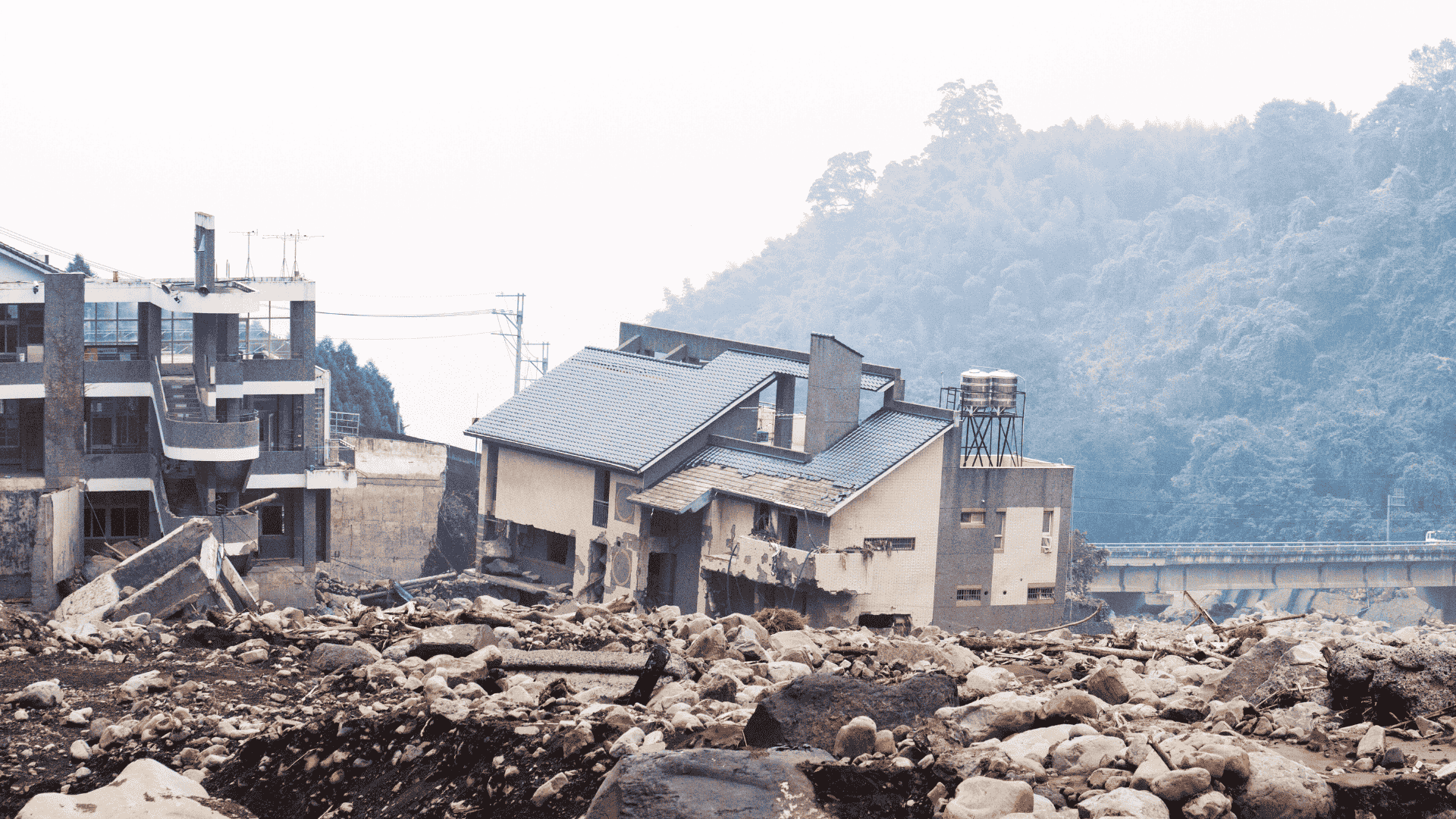
One big, important point I noticed in these rankings, though, is that they haven’t considered disaster risk. This could be partially due to cultural differences. A lot of people in Japan tend to think disasters are widespread and unavoidable. The reality is that you don’t need to live in an area with high tsunami or volcano risk. For example, I saw Shimanto Town in Kochi rank as one of the best rural towns, but it’s also in one of the highest risk areas for the Nankai Trough earthquake and subsequent tsunami. 👀 With Kochi being the prefecture in Japan with the highest ratio of vacant houses per person and a climate ripe for termite damage, that area will see a huge amount of damage likely within the next 30 years. It’s worth taking some time to familiarize yourself with all the natural (and unnatural!) risks present in Japan, and weigh out whether it’s worth it or not for you.
Check out 👉 Our Comphrehensive Japan Natural Disaster Planning Guide
Also food for thought: Japan is experiencing a phenomenon where the population is shrinking and young people tend to want to live in major urban centers. So many villages and small towns are seeing the effects of depopulation. Along with empty houses, this can also mean other resources and amenities start to fade away. This includes hospitals, grocery stores, schools, etc. This is an especially important consideration for those interested in buying property. You might not want to continue living somewhere with no hospital, especially for older folks. And houses in these places are cheap to buy but likely hard to sell.
That being said, Japan has so much more to offer foreigners beyond Tokyo and Osaka. With the rise of remote work and the allure of low-cost real estate, rural areas are becoming increasingly attractive for those seeking a quieter life closer to nature.
Our aim is to help you navigate these less-trodden paths and identify the rural gems that could be your next home. Stay tuned as we delve deeper into the countryside, exploring communities that offer the perfect balance of tranquility, affordability, and opportunity.
Reach out to talk to us about which small city in Japan is best for you! We are happy to be available.

23 February, 2026
10 November, 2025
19 September, 2025