




23 February, 2026


There are many different strategies for how to move to Japan. I never wanted to teach English in Japan. I got roped into it anyway!
I did a homestay in Shikoku when I was in high school. When I was in college, I studied Japanese and music at a little liberal arts school. I didn’t have any specific career goals besides continuing to study the subjects I loved. Then the 2008 financial crisis hit and all my plans went out the window.
I didn’t know what to do – so I went to business school next door at the same little university. The economy was still pretty bad, plus I wasn’t a great business student, so I didn’t get any internships. I also had some personal reasons to want to go back to Japan. I had another look at the JET Program because I had learned there was a career track there for non-English teachers. It’s called “Coordinator for International Relations.” It’s pretty tough to get in, but apparently the JET Gods were smiling down on me because I applied and got accepted!
Similar to the English teaching track, there’s no knowing where you’ll end up going or what you’ll actually be doing. Some people work with UNESCO, others primarily translate, while others do social outreach with foreign communities.
I got my placement results: one of the smallest towns in the least populated prefecture in Japan: Tottori. I grew up in a small mountain town so this situation wouldn’t be new for me. I figured I’d be working with agricultural/lumber exports, updating local tourism websites in English, starting a Facebook Page, and making events.
After arrival, I learned that my job was teaching English. They just wanted someone who spoke Japanese because the last teacher didn’t speak any and it was difficult for them to communicate. 😑 I raised a fuss for a few months but was ultimately told that if I don’t like it I can quit and go home. I decided to stay.
What I learned is that it’s pretty easy to change jobs once you are in Japan! Lucky for me, I met the love of my life (now my wife!) She had a great work opportunity to move up to Tokyo. I got into job hunting mode and found a little software company willing to take a chance on a random English teacher. The process to change my “sponsor” from one job to another didn’t require much paperwork at all.
If I could do it all over again, I would have just started off as a regular English teacher and searched for another job from day 1 after arrival. In Japan, your employer can’t take away your work visa. It’s YOURS. Even if you break your contract. As long as you can make it work within the requirements of your visa, go for it.
Is it difficult to move to Japan? Well, there are many different ways to do it. Some are easier than others. One easy way to get into Japan is to start off teaching English. Just don’t get stuck! Develop and sell your other skills as soon as possible. You just need to study up, make a plan, and get the right helpers in place. And by helpers, I mean your immigration lawyer, real estate agent, recruiters, etc.
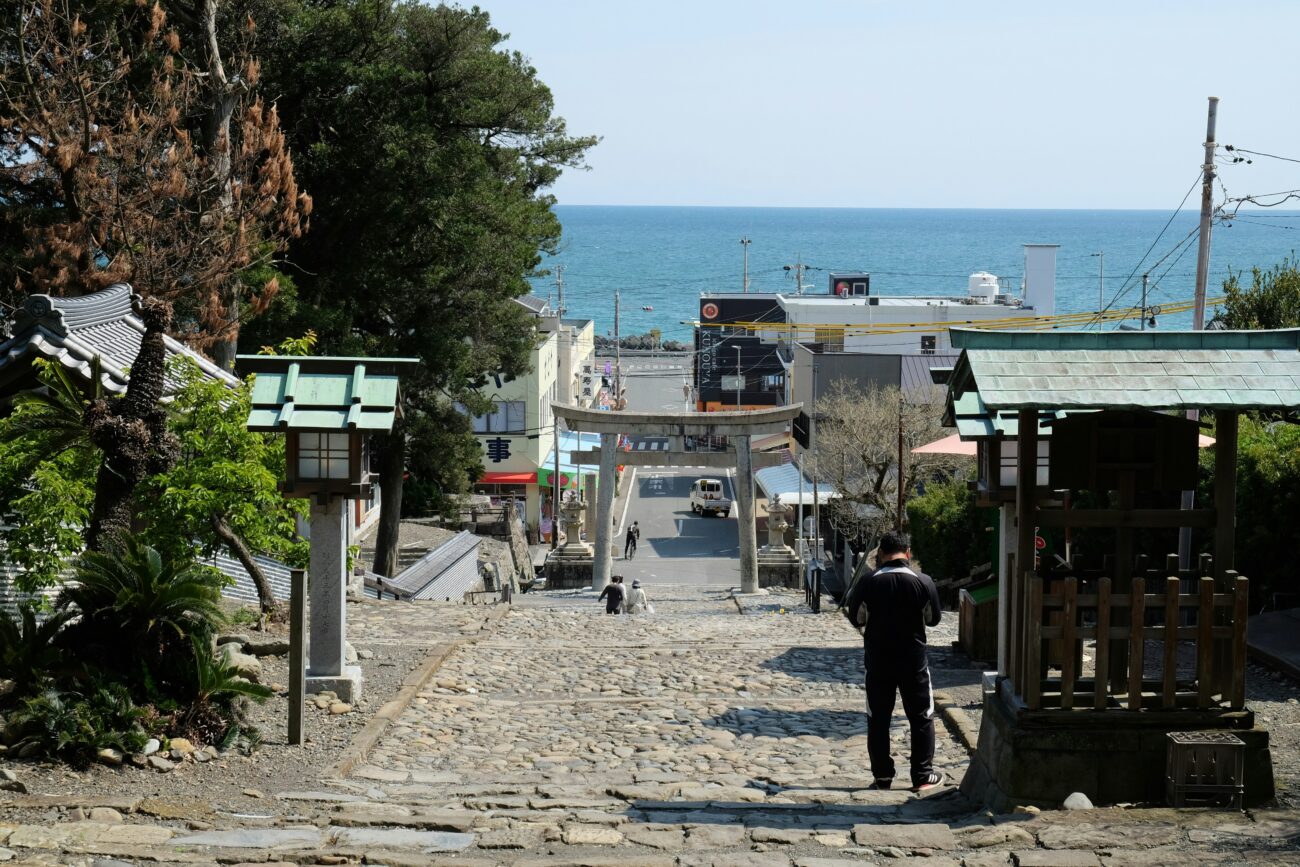
One of the first and most critical steps in moving to Japan is to secure the right visa. There are dozens of visa types available, but not all are created equal. Some have more privileges (flexibility with work, longer time between renewals, faster access to permanent residence status, etc.
But I have a bit of a harsh truth to share: Japan wants some people more than others. I know, it’s not a pleasant thing to think about. But Japan is in charge of Japan. They enforce the borders. They make the rules. So if you want to live here, you have to play their game.
Some types of experience and personal circumstances make it easier to live and work in Japan. They can lead to longer visa periods, fewer renewals, and faster access to permanent residency (PR). Simply put, “PR” means you no longer need to renew your visa.
Here are the visa types that have it easiest:
There may be tax purposes why you would prefer one visa option or another. There are so many variables there that I’ll need to recommend that you speak with accountants and wealth management experts on that one.
If you are still reading, that means you are a commoner like everybody else, hah! And unless you are the maid or nanny for a diplomat (or something similar), you will likely need 1. A bachelors degree and/or 2. To either study or work to “earn your stay.”
Here’s a quick overview of the next most common long-term visa categories:
Here’s the long list of visa types from Japan’s Ministry of Foreign Affairs with more details on duration, requirements, etc.
Not sure which one to go with? Here’s another way to think about it. Which of these best describes you?
Generally speaking, yes. If you are a tourist, though, it might involve you needing to leave the country and come back in again on your new visa. If you already have a long-term visa, then it’s pretty easy to switch to another type. For example, students graduate and then get work visas. English teachers who get married to Japanese nationals can change from instructor to spouse. Entrepreneurs who start their own business can switch from a work visa to a business manager visa.
It’s less paperwork to switch jobs within the same visa category. One very broad work visa category is called “Engineer/specialist in humanities/international services.” That is what I had when I was supposed to be a Coordinator for International relations. Teachers at conversation school (called eikaiwa) also get this visa. On this visa type, you can pretty much do any “white collar” work there is. I changed from public servant to engineer, no problem.
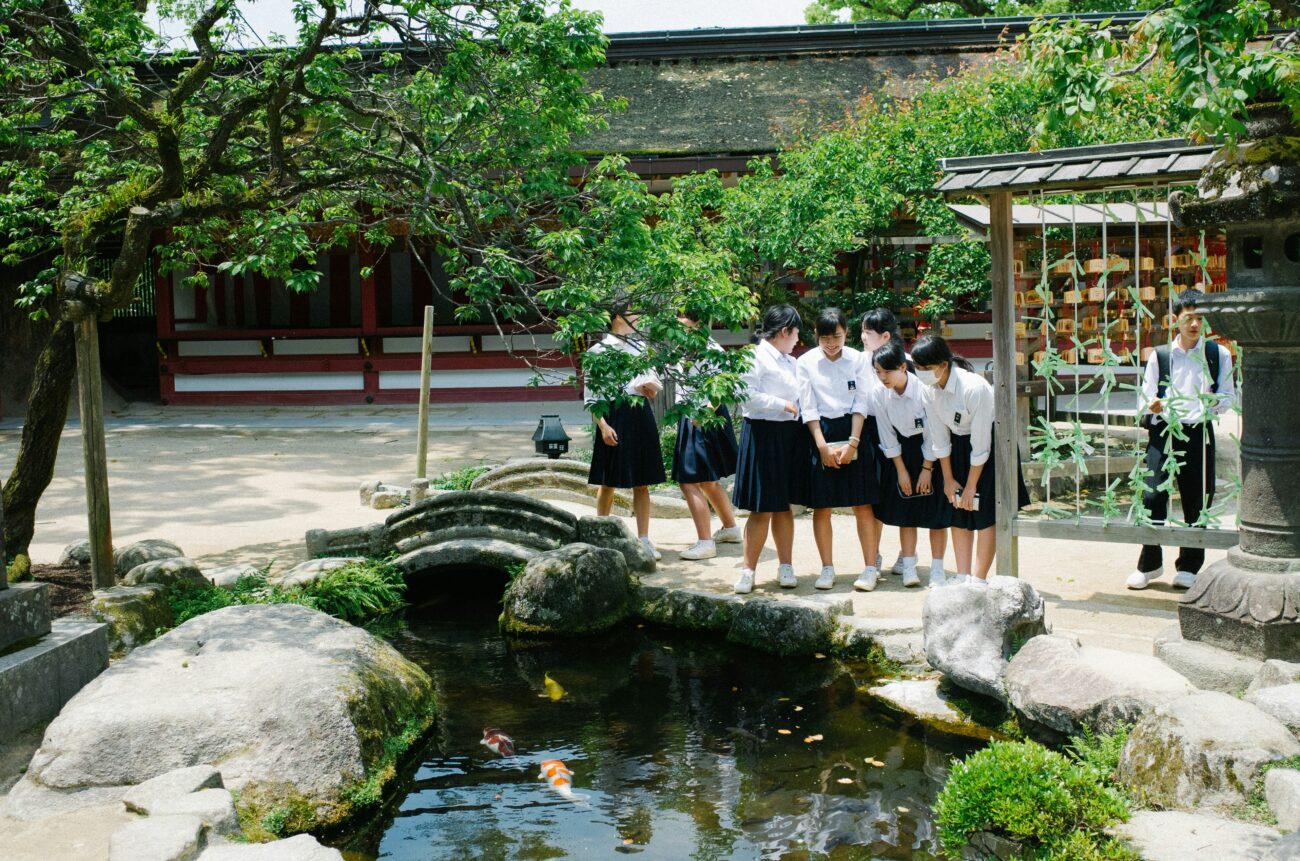
This is a high-up-on-the-list question because if you come here on the JET program, they hold your hand through the whole moving process. Many of the foreign people you will encounter here were JETs for good reason, and often speak fondly of it. There is some variation in experience (because JET is technically just a placement program, not an employer). But quite often the accommodations are subsidized, some people get free transportation, and you really don’t need to worry too hard about figuring out your visa, entry procedures, etc. They make sure you get it done correctly.
For those who don’t have strong clarity on a future career track, teaching English may be a good option. It’s usually pretty low effort (compared to other career track options in Japan, all while on a generous salary (in terms of local quality of life standards), and zero overtime (if you are on JET).
👉Read more: one English teacher’s thoughts on whether or not to teach english here
If you already have a business up and running, or if you already have a career established that you don’t want to take time away from, you might not want to teach English. If you teach English, it contractually needs to be your priority. And on the corresponding visa, you don’t automatically have permission to do other kinds of work.
There are alternatives to the JET Program for ALT (assistant language teacher) positions. One possibility is to connect with the hiring Board of Education directly. There are some that openly post jobs. More likely you’ll need to know someone who knows someone. I got offered a job like this once through my friends at my Sister City. This type of opportunity may also come about after first working as an ALT via JET or another dispatch company.
Besides JET, there are many other options for ALT dispatch companies. Usually the pay, benefits, and work conditions are not as good as JET. On the plus side, some dispatch companies offer more control over your location. There are huge companies like Interac as well as more regional establishments.
National
Interac
Borderlink
Alita Central
Regional
RCS – Tokyo
Berkeley House – Tokyo
OWLS – Kyushu
AtoZ – Nagano
APS – Nagoya
Other than that, you may be considering an Eikaiwa job. The workload is generally much higher than as a dispatch ALT, but salaries can be a bit higher. The trouble for Eikaiwa workers in bigger cities is that cost of living can be higher than your salary. Do some budgeting and planning before you jump in!
Major Eikawa Companies
Berlitz
Gaba
ECC
Coco Juku
NOVA
Amity
English Teaching Job Boards
Whether you are looking for an ALT job or Eikaiwa job, there are job boards out there that can help with your search.
GaijinPot
Ohayosensei
Jobs in Japan
JALT
Teach Away
Job Boards
Recruiters
Career Resources & Fairs
Networking & Solo Recruiters
Don’t forget – some of the best opportunities aren’t posted. Show up in the world! Whether that means attending events, making friends, or building an awesome blog. There are many ways to put yourself out there. You’ve got this!
Hi! Are you planning your move to Japan? It’s stressful and confusing!
That’s why we made Japan Remotely Academy.
It’s years of hard-learned lessons, condensed into an easy-to-follow library of resources: how to get better jobs, find the best places to live, find foreigner-friendly housing and employment, and more! So you can move to Japan the best way for you (and the best way for Japan!) the first time around!
Not necessarily, but it certainly helps.
It also depends on what you want to do and how long you want to stay.
If you want to get a job in Japan, having a degree makes life simpler.
The Engineer/specialist in humanities/international services visa requires a degree for most jobs. Engineers have some alternative methods to satisfy the requirements such as a 10 year career length, or passing a skills exam called the “ITPEC Exam.”
If you are already an accomplished professional and can garner a 6 figure salary in Japan, then you could qualify for a type of highly skilled professional visa called “J-Skip.” This visa does not require any educational credentials.
It’s also possible to start your own business in Japan. The business manager visa and its prequel the start-up visa do not have any educational requirements. You just have to keep your business afloat.
If you have ancestry, family, or a Japanese spouse then you could get a visa that’s tied to a person rather than a job. You could choose to work or not. You have the option to do both.
If you don’t have a 4 year degree yet, but want one, Japanese universities are pretty cheap and usually not that selective for foreign applicants. There are of course more options for study if you speak Japanese, so you could start out by going to language school. But there are also a ton of English-speaking university programs available!
Also check out:
How much money you need for your relocation to Japan really depends on what you plan to do.
If you find a job before going to Japan
This is a big reason why people teach English. On the JET Program, the organization will fund virtually everything related to your relocation. The JET Program recommends that you have at least $2,500 in cash to pay your initial bills. That depends on if the hiring organization provides access to housing. In my case, I probably could have gotten by bringing less than $1,000. But that was several years ago, so you might want to play it safe.
Bigger companies, especially foreign ones, can provide similar relocation support packages for those they recruit to work in Japan. But those situations are rare and competitive.
If you get a job somewhere and they don’t fund any relocation, then you really will need to think about having a cash pillow for initial expenses – especially in a big city like Tokyo or Osaka. You might have heard about all the unique fees Japan has in store for apartment hunters. Here’s a breakdown of what costs could be in store for you:
| Fee type | Cost | Prevalence | Example JPY |
| First month’s rent | 1 x rent | Always | ¥100,000 |
| Deposit | 1 to 2 x rent | Almost always | ¥200,000 |
| Guarantor company fee | 1 x rent | Very Common | ¥100,000 |
| Property maintenance fee | Under ¥10,000 | Very Common | ¥10,000 |
| Renter’s/Fire insurance | Under ¥20,000 | Very Common | ¥20,000 |
| Lock exchange fee | Under ¥10,000 | Very Common | ¥10,000 |
| Key money/Thank you money | 1 to 2 x rent | Common | ¥200,000 |
| Agent’s commission | 1 x rent | Common | ¥100,000 |
| Sub-total | ¥740,000 |
Worst case scenario, you’ll need to prepare more than 7x your anticipated rent! Plus, you had better double check your company’s payday. What if it is at the end of the following month? That means you’ll need an extra month of rent money in cash.
There are companies out there that limit their fees, such as Urban Renaissance (UR), but the fees above are common in the majority of rental units available. There are also filters on Japanese property search engines like Suumo, but you will notice that the number of available apartments drop by more than half if you filter out a fee like key money. It’s also possible that some properties have lower fees than what is listed above. That’s harder to filter for, so you’ll just have to look.
Next, you’ll need at least some basic furniture and food in your new apartment. Here is a list of items you’ll need to buy to show how much money you’ll need to budget.
| Item | Budget Option | High-End Option |
| Kitchen Appliances | ||
| Cooking Stove | ¥22,600 | ¥76,800 |
| Fridge/Freezer | ¥34,800 | ¥179,800 |
| Microwave/Oven | ¥13,000 | ¥59,100 |
| Toaster | ¥3,000 | ¥31,700 |
| Electric Kettle | ¥1,900 | ¥7,800 |
| Blender/Mixer | ¥2,900 | ¥78,000 |
| Rice Cooker | ¥7,400 | ¥30,700 |
| Laundry & Cleaning | ||
| Washing Machine | ¥24,300 | ¥244,200 |
| Dehumidifier | ¥5,000 | ¥50,000 |
| Vacuum Cleaner | ¥6,800 | ¥45,000 |
| Laundry Rack | ¥4,000 | ¥22,000 |
| Heating & Cooling | ||
| Air Conditioner | ¥43,800 | ¥72,100 |
| Kerosene Stove | ¥14,800 | ¥40,000 |
| Kotatsu Table | ¥10,000 | ¥79,900 |
| Bedroom & Furniture | ||
| Bed Frame (optional) | 0 | ¥100,000 |
| Mattress or Futon/Bedding Set | ¥6,000 | ¥200,000 |
| Desk | ¥4,500 | ¥70,000 |
| Office Chair | ¥4,400 | ¥90000 |
| Floor Chair | ¥3,500 | ¥16,500 |
| Lighting & Home Essentials | ||
| LED Ceiling Light | ¥2,000 | ¥49,500 |
| Floor Lamp | ¥2,200 | ¥33,100 |
| Rug | ¥2,400 | ¥30,000 |
| Kitchen & Dining Essentials | ||
| Nabe (Hot Pot) | ¥600 | ¥33,600 |
| Frying Pan | ¥1,900 | ¥12,800 |
| Saucepan | ¥1,200 | ¥5,900 |
| Water Purifier | ¥2,900 | ¥13,900 |
| Small Utensils | ¥5,000 | ¥20,000 |
| Consumables | ¥5,000 | ¥20,000 |
| Grand Total (Range) | ¥225,900 | ¥1,672,400 |
For your convenience, that’s about $1,600 USD (for Daiso quality) to $11,300 USD (for high quality, curated goods) to furnish a studio or one bedroom apartment. And as always, this will change depending on your preferences and individual needs.
If you are going to Japan without a job, plan to have additional cost of living expenses on hand to last you at least three months. So you’ll need about ¥740,000 for the first month of renting the apartment and at least ¥225,900 to furnish it. Then we’ll add 3 months of your cost of living (rent, food, medicine, transportation, etc). We set rent earlier at ¥100,000 per month and let’s estimate other expenses being an additional ¥100,000 per month.
Let’s Summarize your first 90 days:
| Item | Cost |
| HOUSING | |
| 1st Month Rent + fees | ¥740,000 |
| 2nd Month Rent | ¥100,000 |
| 3rd Month Rent | ¥100,000 |
| Furniture | ¥225,900 |
| Housing Subtotal | ¥1,165,900 |
| COST OF LIVING | |
| 1st Month | ¥100,000 |
| 2nd Month | ¥100,000 |
| 3rd Month | ¥100,000 |
| CoL Subtotal | ¥300,000 |
| Grand Total | ¥1,465,900 |
That’s about $9,700 USD at the time I’m writing this. Housing accounts for the bulk of your first 90 days of expenses. Plus, there is no guarantee you’ll get a job near your apartment (or at all). That is why there are temporary housing services catered specifically for foreigners. They often have comparatively expensive monthly rates, but limit the upfront fees and sometimes have furnished options. Even if it turned out to be 2x the monthly rent, it would still be less cost overall than renting and furnishing a traditional apartment.
An exception to the rule is a sharehouse. They are often cheaper than a private apartment, but sharehouse living isn’t for everyone.
Furnished Apartments in Japan
Tokyo Family Stays
Leopalace
Live in Asia
Weekly and Monthly (Japanese)
Maeda Real Estate
Share Houses in Japan
Oakhouse
Social Apartment
Sakura House
Borderless House
Or search through many with: Tokyo Sharehouse
If you want to come here to go to language school, it’s ok to come with zero Japanese language skill. Check with the school you have in mind first – some suggest coming with 150 hours of study or JLPT N5 under your belt.
Otherwise, if you don’t want to torture yourself here, you should learn as much Japanese as possible first. You don’t need to be fluent per se, but more is better. In my observation, people who’ve taken multiple University-level Japanese language classes have a much easier time landing and getting settled here. In all aspects of life – friendships, work, feeding one’s self, navigating the world… everything.
This is not gate-keeping. I’d rather you get an honest picture of the life experience here than come disillusioned and end up in a rut. It’s not easy. This is not the “land of easy opportunity.” This is a country with many securities and privileges in place, if you fit the qualifications. Not my qualifications. The qualifications set by Japan. They don’t let just anyone in because they want to prioritize their own people. There is a fear of criminals, people taking advantage of public securities, and watering down of “pure Japan.” But if you serve Japan by filling some sort of void (highly skilled, high wealth, academic, or similar), then the gates will be opened. I digress…
If you haven’t taken Japanese classes yet, by all means, please get started now. Unless you are a JET, chances are you will not have more spare time here than you do now. It’s a marathon, not a race. Get yourself Genki I and start getting going.
Preparing to move to Japan involves more than just booking a flight—you need a proper visa to enter and live in Japan (even one-way tickets usually require proof of valid residency documents), and you should carefully manage everything you’ll leave behind at home.
After reviewing your visa requirements, start by deciding how to handle your current living situation—whether you’ll cancel your lease, sell your home, rent it out, or arrange long-term management. If you’re downsizing, consider a garage sale or donating items; if you have aging parents or adult children who need assistance, make clear plans for their care. Update your mailing address for important documents and notify your credit card company to prevent unexpected holds while in Japan. If you must store belongings, secure a storage unit, and if you have pets that won’t be joining you, find them a loving new home. If they are coming, get started on their prep steps many months in advance. You’ll need it. Don’t forget to pause or cancel unnecessary subscriptions and take time to say goodbye to friends and family.
Are you pairing down and moving minimal belongings only via luggage? Getting a shipping container, or sending boxes via boat? Decide your moving service track, pair down and pack up.
For Japan-specific prep, gather certified copies of legal documents (like birth certificates, diplomas, or transcripts), bring medical records and prescriptions (along with any required import documents), and if your visa requires a police clearance certificate, get it before you leave.
Where will you be staying? If you haven’t been able to secure long-term accommodations, have your short-term plan in place with a vision for the next steps.
Consult an expat tax accountant if you need help navigating international taxes, and if won’t have access to national health insurance (I’m looking at you, digital nomads), research global coverage service options. Finally, if you’re studying Japanese or enrolling your children in school, complete school enrollments early to reduce stress. By organizing your affairs at home and preparing properly for life abroad, you’ll ease the transition and set yourself up to fully embrace your new chapter in Japan.
Once you arrive in Japan, the first step is to secure that place to stay—if your hiring organization isn’t providing housing support, consider reserving a hotel or a mid-term furnished apartment before you depart. Next, head to your local municipal office (or “city hall”) within 14 days of settling in to register your address (“Tennyu Todoke”), which also allows you to enroll in National Health Insurance and begin the My Number Card application process. Your My Number card now functions as the health insurance card but takes time to be issued.
If your employer doesn’t handle pension contributions, you’ll need to register for National Pension as well, using the same documents you used for health insurance. During registration, don’t forget to pick up a trash calendar so you know the schedule and instructions for local waste disposal.
Once your residency details are sorted, arrange for a mobile phone plan, either through major carriers like Docomo or affordable MVNOs such as Sakura Mobile or LINEmo, and open a bank account—Japan Post Bank often allows foreigners to open an account right away, while other banks may require six months of residence.
Equip yourself with translation apps (Google Translate, DeepL, or even ChatGPT helps) to navigate everyday tasks like reading paperwork or finding your favorite foods at the supermarket. Keep a note on your phone with important personal information (address, name in katakana, phone number, emergency contacts) to streamline form-filling.
Finally, immerse yourself in local food culture: learn simple Japanese recipes for home cooking, explore traditional “shotengai” shopping streets for fresh, local produce, and visit the konbini for a quick bite—just don’t rely on them too often if you want a healthy diet. By handling these essentials soon after arriving, you’ll feel more confident and prepared to embrace your new life in Japan.
It’s a really good idea! Check out our complete list of Japanese language schools across Japan, or sign up for a free language school concierge with KOKO JAPAN.
The first step is that you’ll need to find a job or start a company. You need to be eligible for the base work or business manager visa before having access to HSP priviledges. From there, you need to satisfy additional point requirements. The easiest categories to prove are your education and salary.
Millions of people do it, even people who haven’t finished college yet. The most difficult part might just be that moving to Japan isn’t for everyone. But with the right planning and flexibility, you’ve got a chance!
It depends on what you mean by “move.” For some, it means staying in Japan for several months out of the year. For others, it means living and working locally in Japan for the foreseeable future. You can go to Japan on a tourist visa (visa-exemption) and look for opportunities for a long-term visa. If you find one, you’ll most likely have to exit the country and re-enter on your new status.
For those considering a temporary or short-term move, it’s ok to move to Japan before you’ve visited. Even if you don’t like it, you’ll have a return date planned, which will make your experience manageable. For those considering a long-term move for work or family, definitely visit before you make the commitment. You may even find that utilizing a travel planner such as Japanko will help you get the most out of a trip!
Yes, with a simple lifestyle. Living in central Tokyo will be more difficult due to the higher cost of living. Some visas will require more money, so have your strategy planned in advance.
Yes, in general Westerners can move to Japan provided they meet visa requirements. Requirements will vary depending on your country of origin. Due to proximity, Chinese and Koreans are the most prominent groups of foreigners in Japan.
A safe estimate is $5,000–$10,000 USD, covering rent deposits and fees, transportation, and initial daily living expenses.
It depends on location and where you are coming from. Many Americans may consider Japan to be cheap, meanwhile some people from Vietnam consider it to be expensive. Tokyo and Osaka are the expensive centers, while rural areas offer lower living costs. A single person can live comfortably on ¥200,000–¥300,000/month ($1,300–$2,000 USD) outside Tokyo.
Yes, but Japan has strict quarantine and vaccination rules (and rules vary depending on your country of origin). Start preparing at least 6 months in advance. It will also be much harder to find an apartment that will rent to you.
See also: Guide to Animal Quarantine Services
If you lose your job, your work visa remains valid for 3 months while you search for a new employer. If you cannot secure employment within this period, you may need to leave Japan or switch to another visa.
There are actually many options available, with English teaching being the easiest and most accessible option. Once you get in Japan if you start networking and putting yourself out there, more options will show up. The best options will come from networking and personal connections, not from online postings. Many scientific and IT-related workplaces exist with English-speaking offices. Tourism, marketing, journalism, and foreigner-directed service positions exist as well.
Permanent Residency is a visa-free residency status that is available to foreign residents after they have lived here for some time and met many requirements regarding good behavior, work/financial stability, and more. Some via tracks will be a viable path towards PR, while others don’t lead to PR at all. Spouse/family, highly skilled professional, and business manager visas are some realistic tracks towards permanent residency. Tourist, specified skill (labor-based) visas, and post-divorce status do not support progress towards permanent residency status.
Need a sounding board to help with your Japan immigration strategy? Not sure what the best visa is for you? We’ve got your back!
👋 Hi! I’m Nick, an experienced Immigration and Moving Consultant at Japan Remotely. We help navigate long-term visa types, Japan real estate, location scouting, career opportunities in Japan, business strategy, and more. We help you create a realistic Action Plan and Visa Strategy, so you can find your fastest track to permanent residency and the lifestyle you’ve been dreaming of. Introvert? We just released Japan Remotely Academy so you can learn at your own pace!
Interested to learn more? Talk to us! We are happy to discuss a custom strategy.
This article was last updated April 2, 2026.

23 February, 2026
10 November, 2025

19 September, 2025