




23 February, 2026


If you’re looking to study in Japan without being fluent in Japanese, English colleges in Japan offer the perfect opportunity. Dozens of Japanese universities now offer full undergraduate programs in English, attracting international students interested in a wide range of fields, from business to engineering to cultural studies.
Of course we always recommend that people who move to Japan learn Japanese, but starting with an English-speaking school can take off some stress for those who need a degree.
This guide provides a complete list of English-language Colleges & Universities in Japan, organized by region. You’ll find essential information like tuition, location, and the types of degrees available.
*All tuition figures are approximate; double-check directly with institutions for the most up-to-date information and any additional fees
*You may also be interested in 👉 How to Move to Japan: A Realistic Guide
Jump to: Chubu | Chugoku | Hokkaido | Kanto | Kinki / Kansai | Kyushu / Okinawa | Shikoku | Tohoku
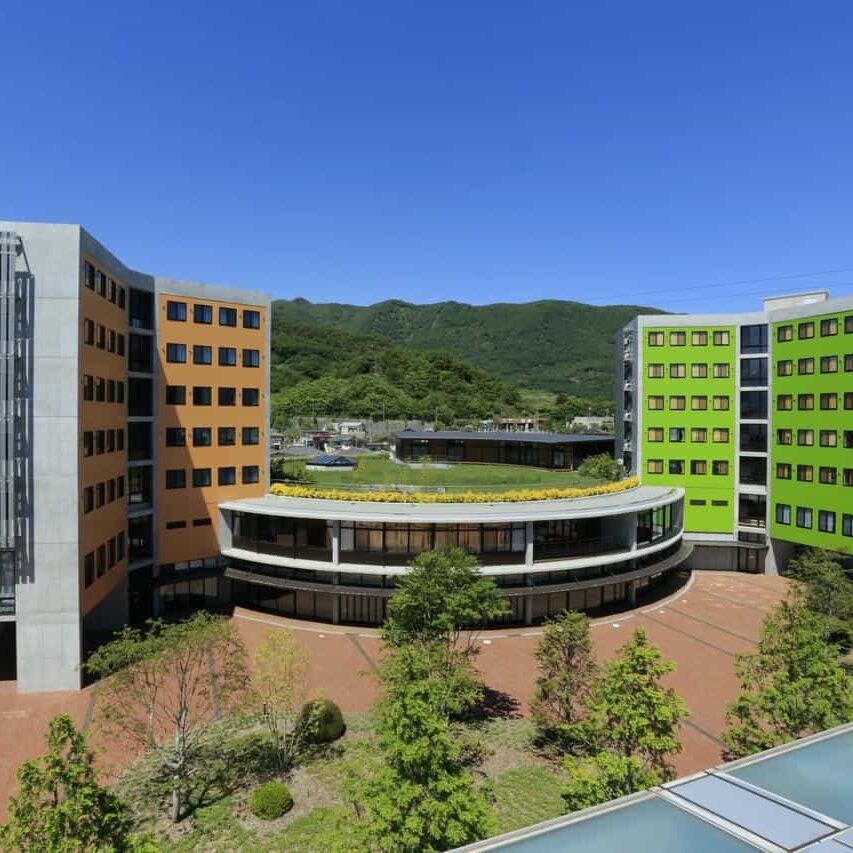
International College of Liberal Arts – Yamanashi Gakuin University
Location: Kofu, Yamanashi
Tuition: ¥1,316,000 per year
Programs: Data Science, Global Business and Economics, Interdisciplinary Arts, Japan Studies, Political Science, Psychology
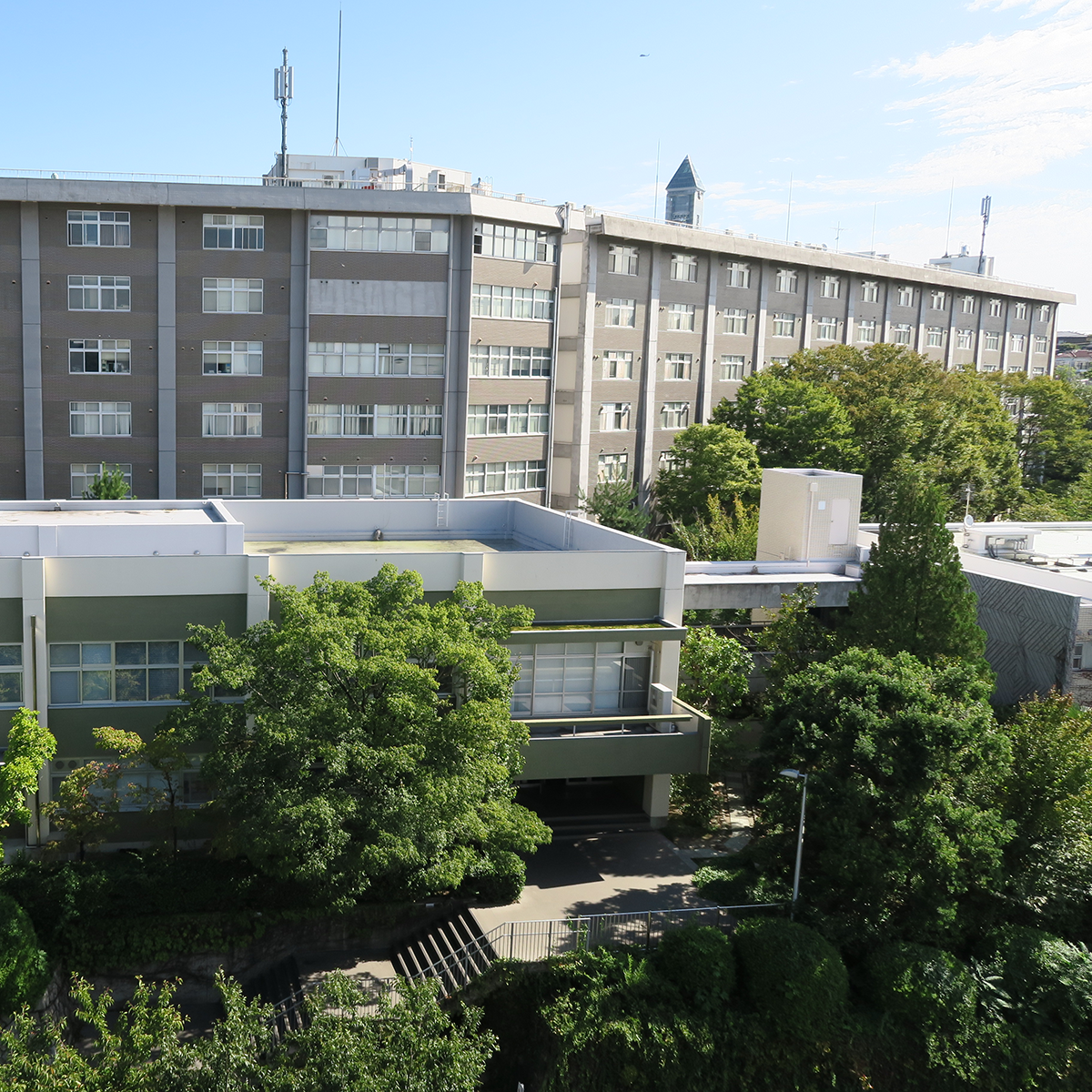
Nagoya University
Location: Nagoya, Aichi Prefecture
Tuition: ¥535,800 per year
Programs: Automotive Engineering, Physics, Chemistry, Biological Science, Social Sciences, Japan-in-Asia Cultural Studies
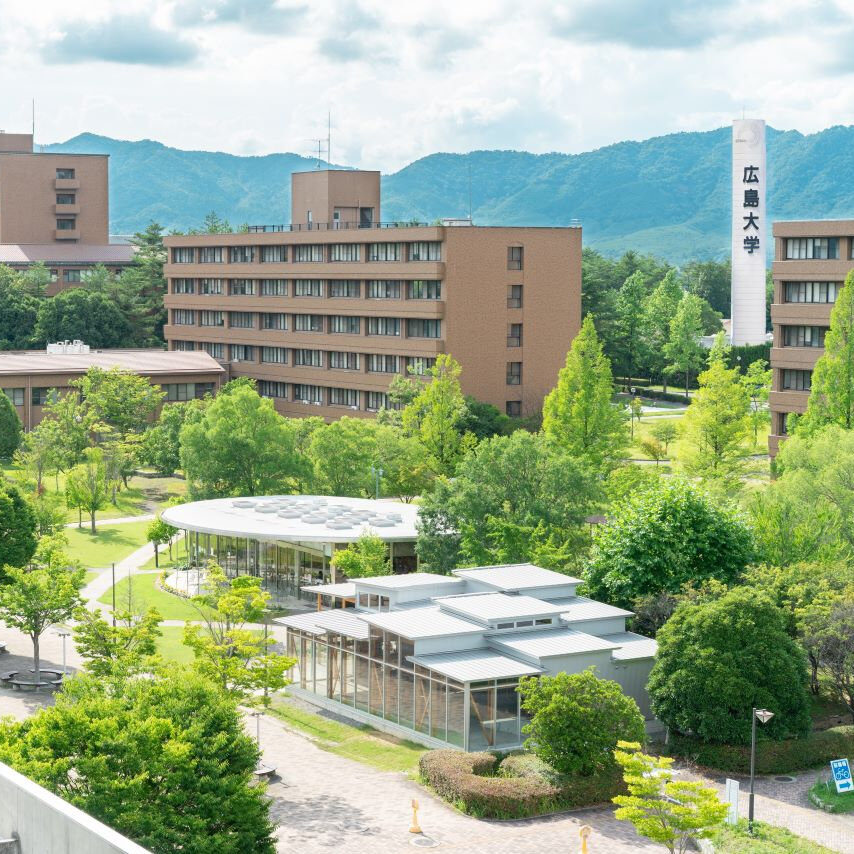
Hiroshima University
Location: Hiroshima City, Hiroshima
Tuition: ¥535,800 per year
Programs: Integrated Global Studies
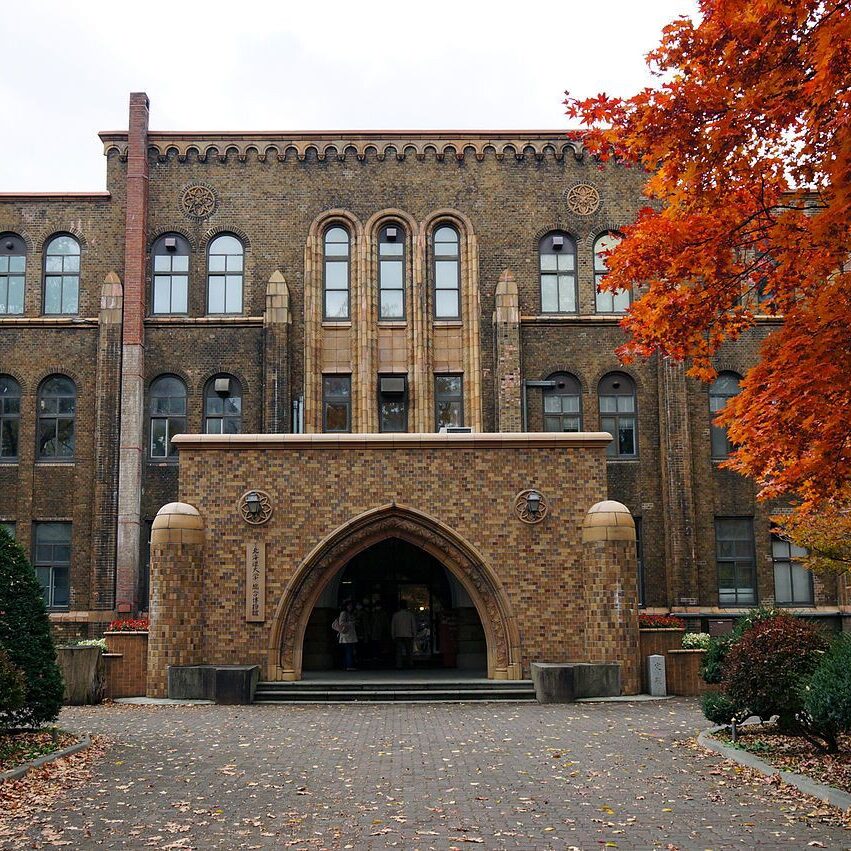
Hokkaido University
Location: Sapporo, Hokkaido
Tuition: ¥535,800 per year
Programs: Integrated Science
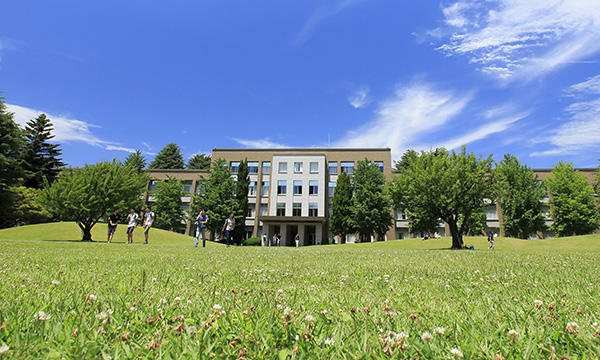
International Christian University
*The first two years at this university can be completed in English, and the later years are bilingual.
Location: Tokyo
Tuition: ¥1,137,000 per year
Programs: Art and Cultural Heritage, Music, Literature, Philosophy and Religion, Economics, Business, History, Law, Public Policy, Politics, International Relations, Sociology, Anthropology, Media Communication and Culture, Language Education, Education, Linguistics, Psychology, Biology, Physics, Chemistry, Mathematics, Information Science, American Studies, Asian Studies, Development Studies, Environmental Studies, Gender and Sexuality Studies, Global Studies, Japan Studies, Peace Studies. See all major programs here.
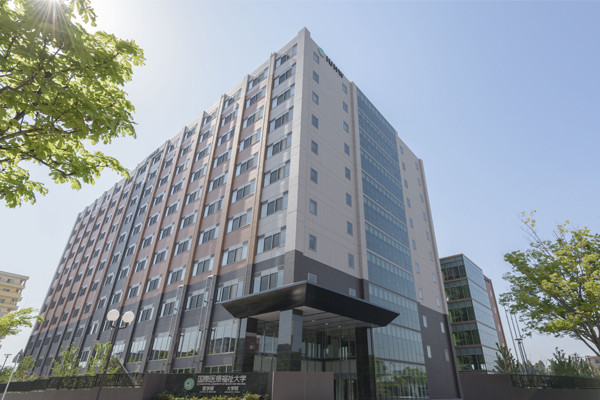
International University of Health and Welfare, Narita Campus
*School of Medicine
Location: Narita, Chiba
Tuition: ¥1,900,000 per year not including fees
Programs: Lectures and exams are often in English for the School of Medicine, particularly for the first two years.
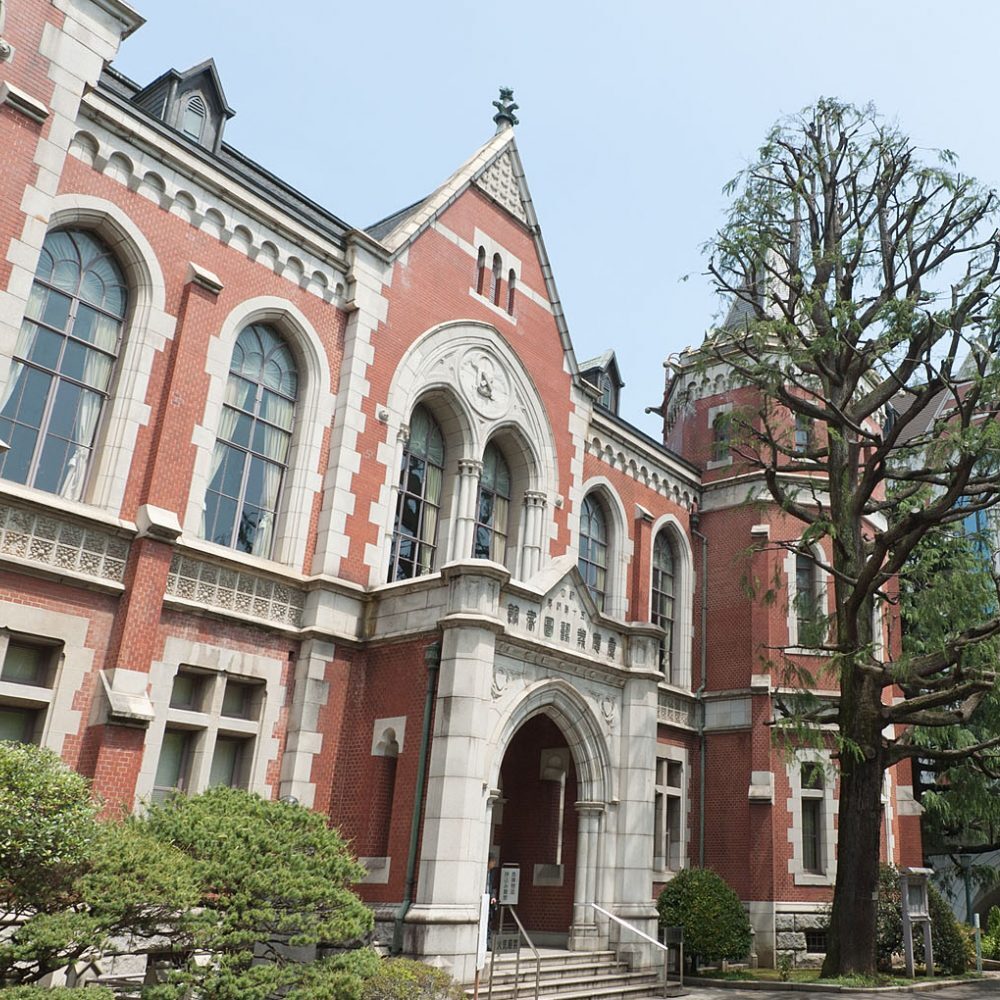
Keio University
Location: Tokyo
Tuition: ¥1,460,000 per year
Programs: PEARL (Programme in Economics for Alliances, Research and Leadership), GIGA (Global Information and Governance Academic)
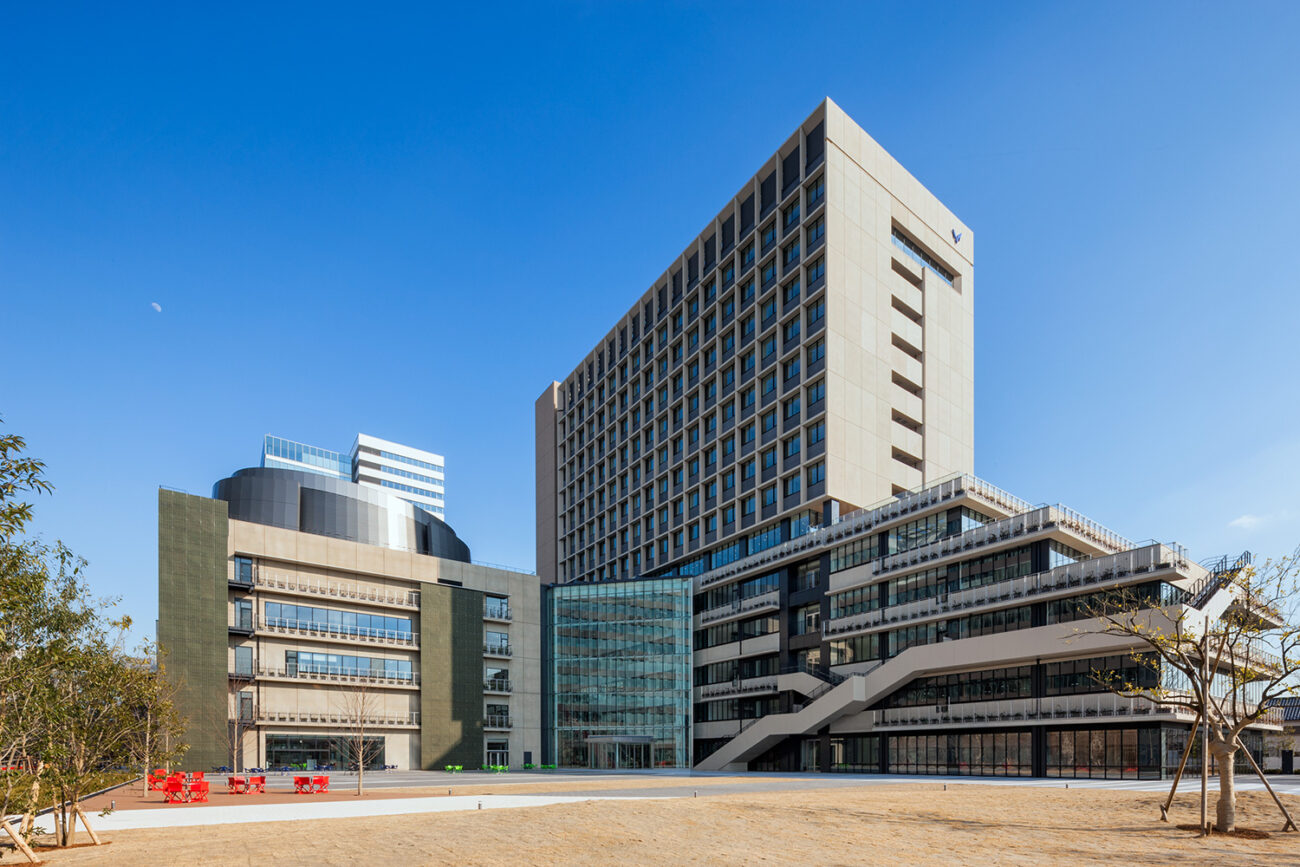
Meiji University
Location: Tokyo
Tuition: ¥1,075,500 + additional fees for international students
Programs: Japanese Studies (English Track)
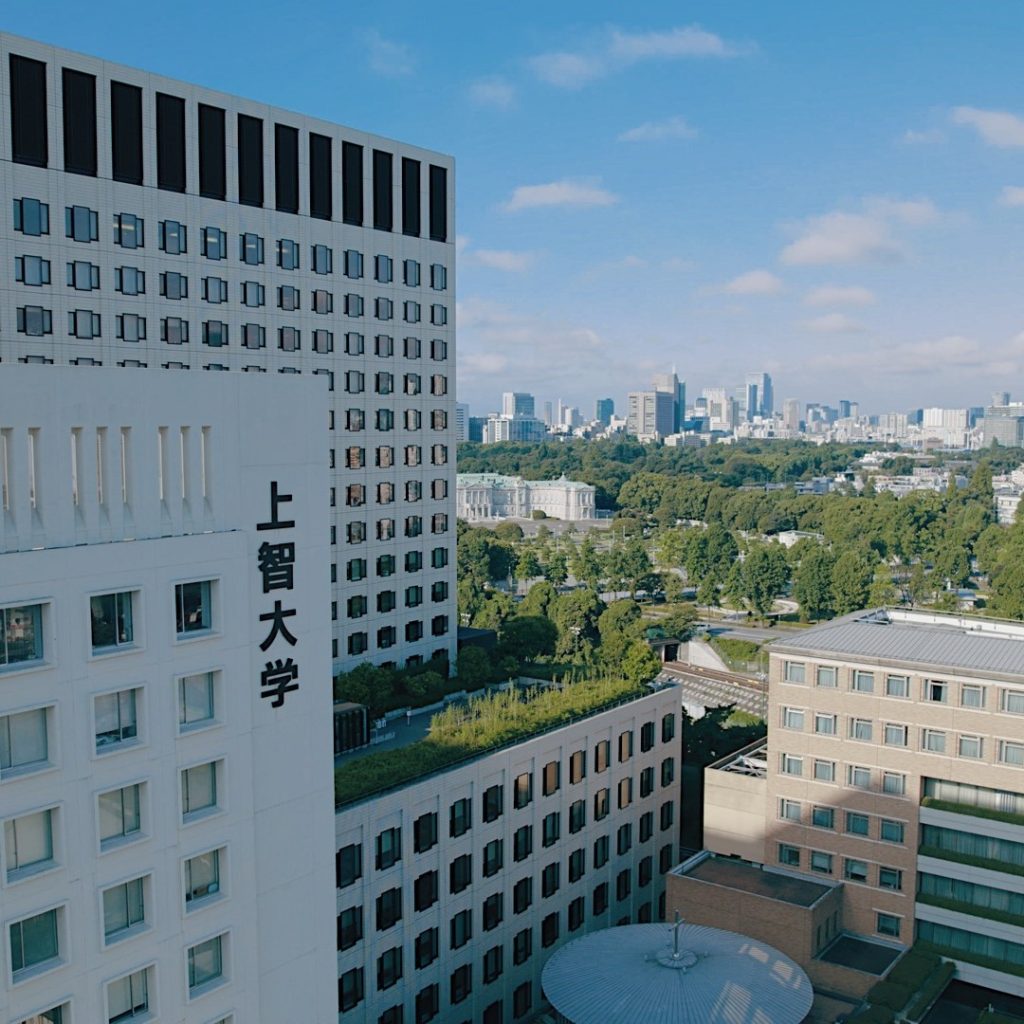
Sophia University
Location: Tokyo
Tuition: ¥1,352,650–¥1,864,650 per year, depending on the program
Programs: International Business and Economics, Comparative Culture, Social Studies, Green Science and Green Engineering
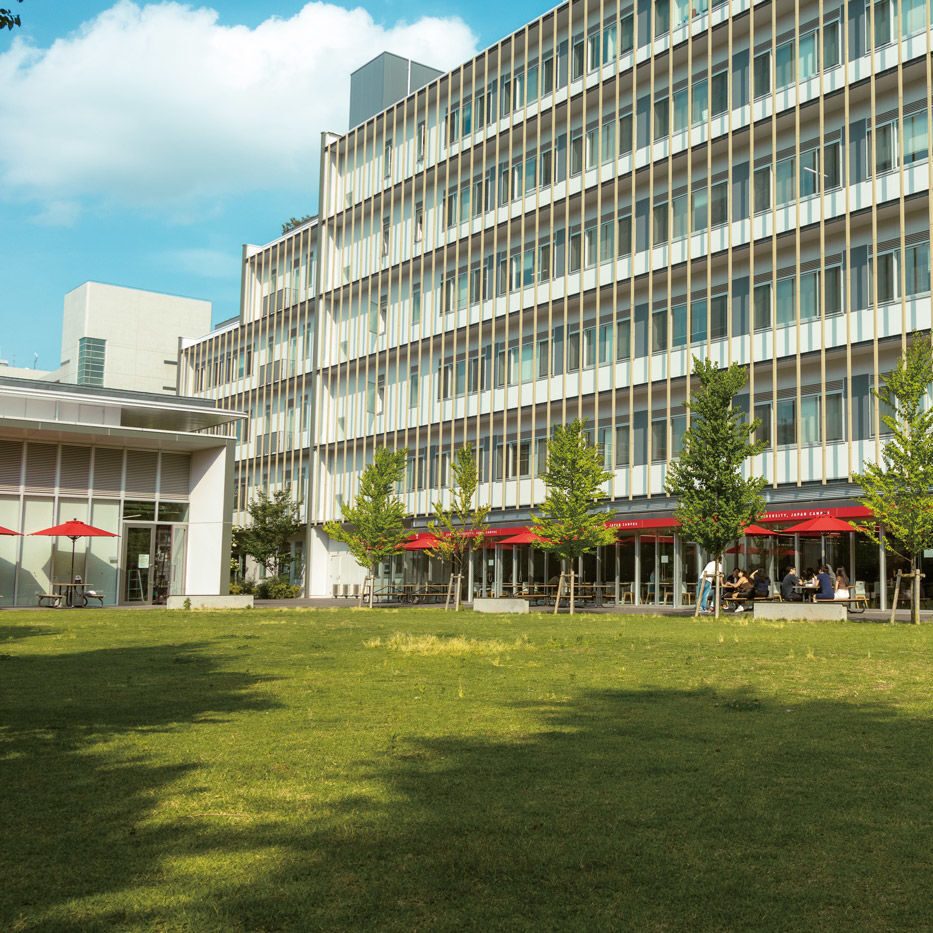
Temple University, Japan
Location: Tokyo, Kyoto (Coming Soon)
Tuition: ¥2,642,100 first year, then ¥1,710,000 per subsequent year
Programs: Art, Asian Studies, Communication Studies, Computer Science, Economics, General Studies, International Affairs, International Business Studies, Japanese, Political Science, Psychology, Tourism, Hospitality, & Event Management
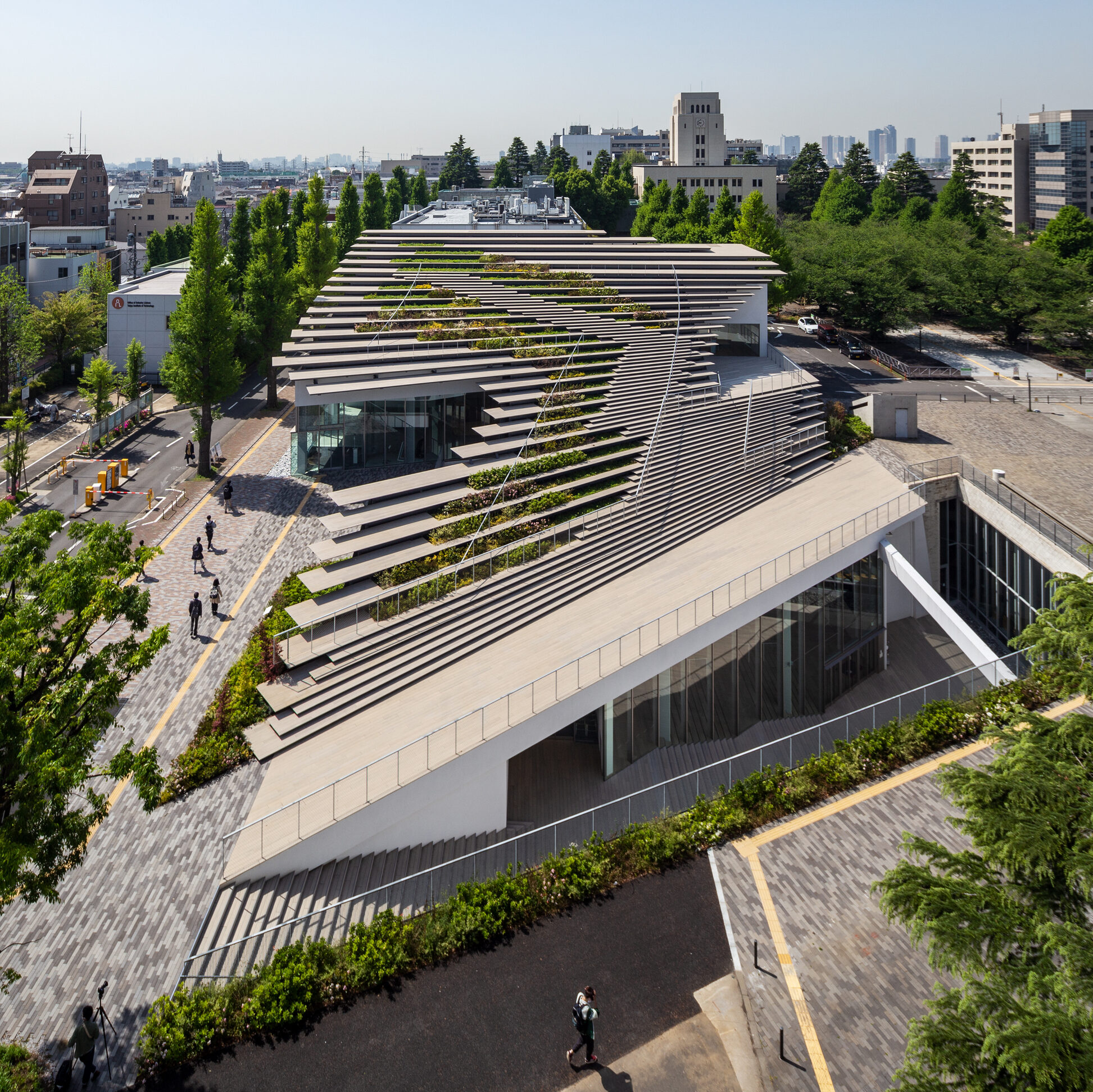
Tokyo Institute of Technology (Tokyo Tech)
Location: Tokyo
Tuition: ¥635,400 per year
Programs: Global Scientists and Engineers Program
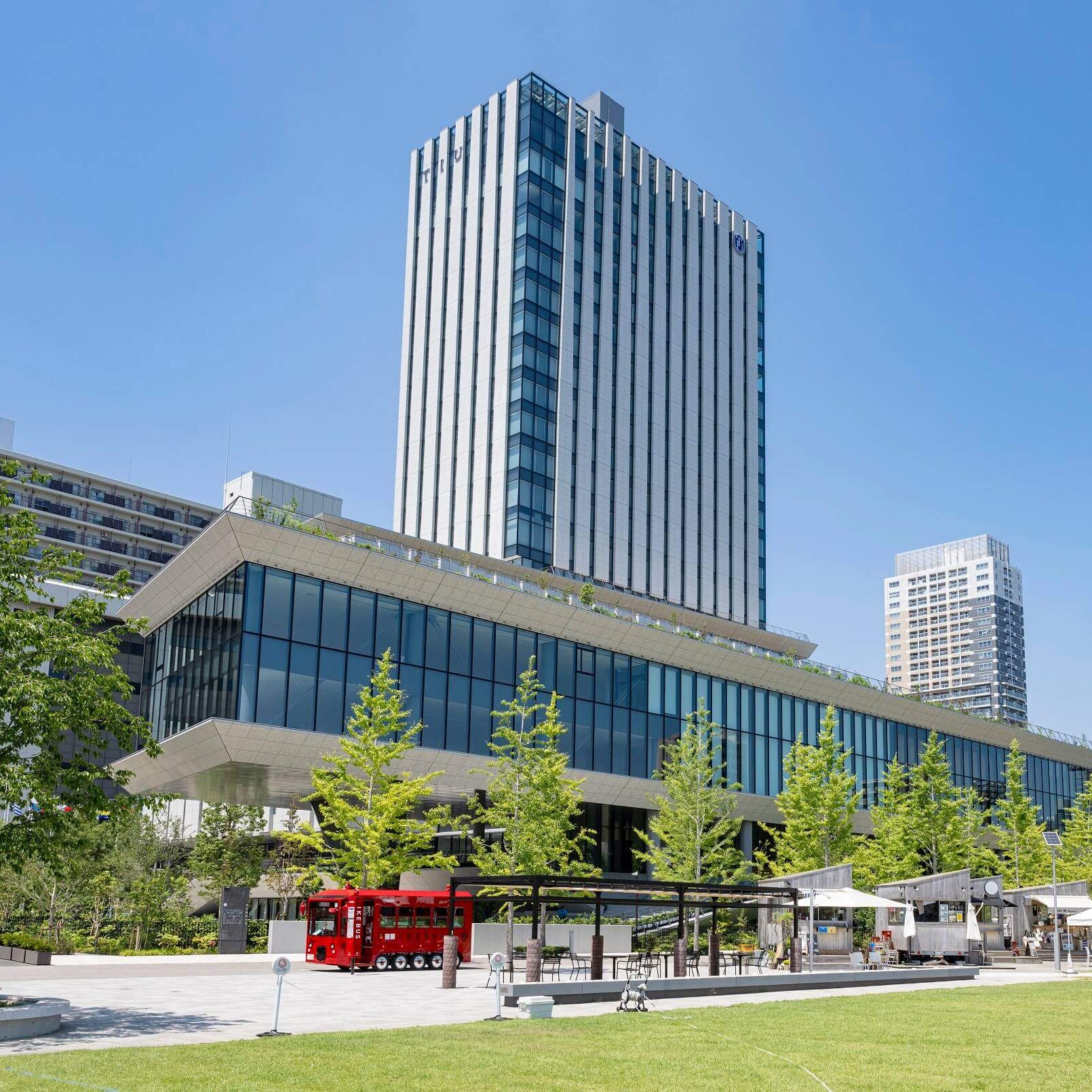
Tokyo International University (TIU)
Location: Saitama Prefecture (Greater Tokyo Area)
Tuition: ¥1,620,000 per year
Programs: Business Economics, International Relations, Digital Business & Innovation
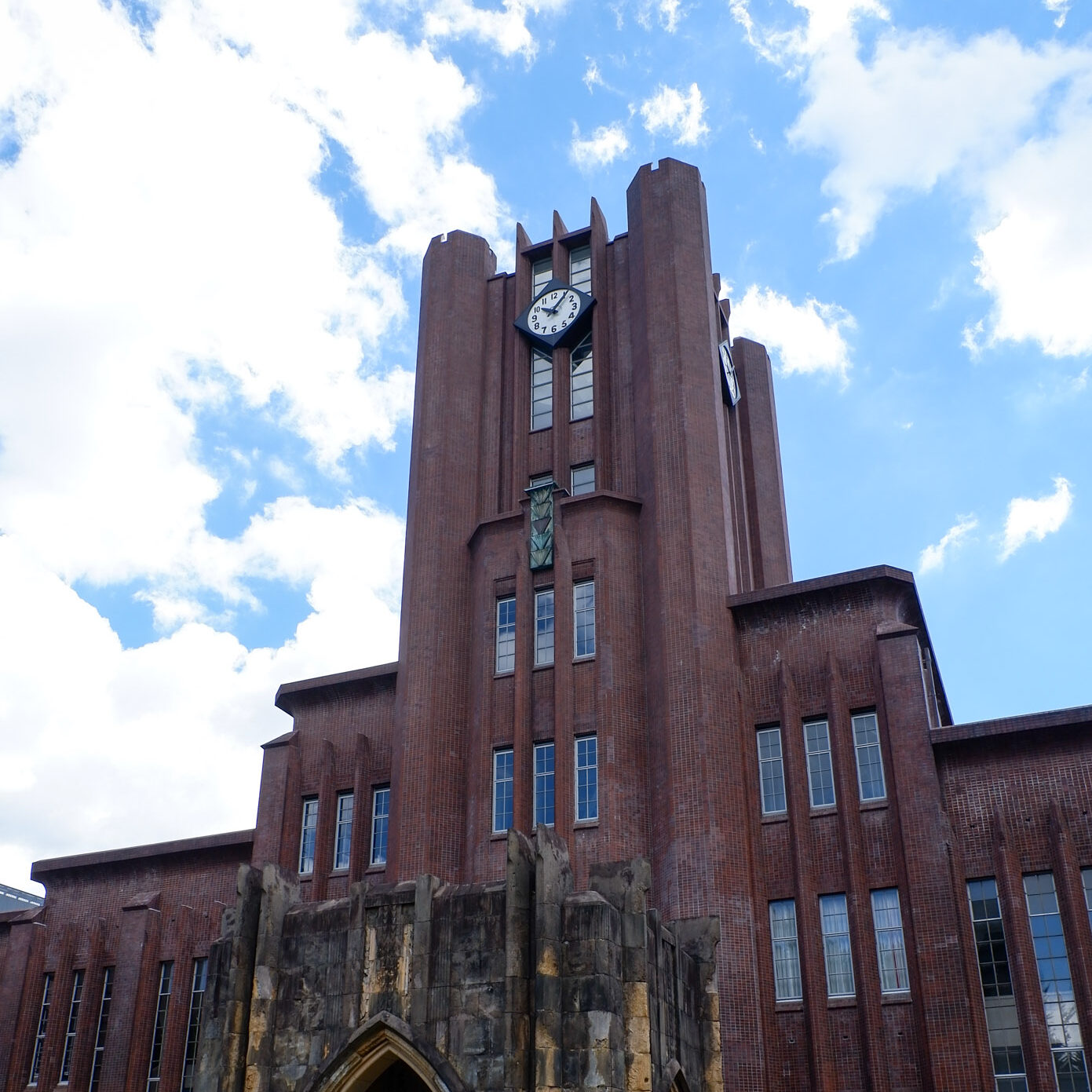
Tokyo University (PEAK)
Location: Tokyo
Tuition: ¥642,960 + application and admission fees
Programs: Japan in East Asia, Environmental Sciences
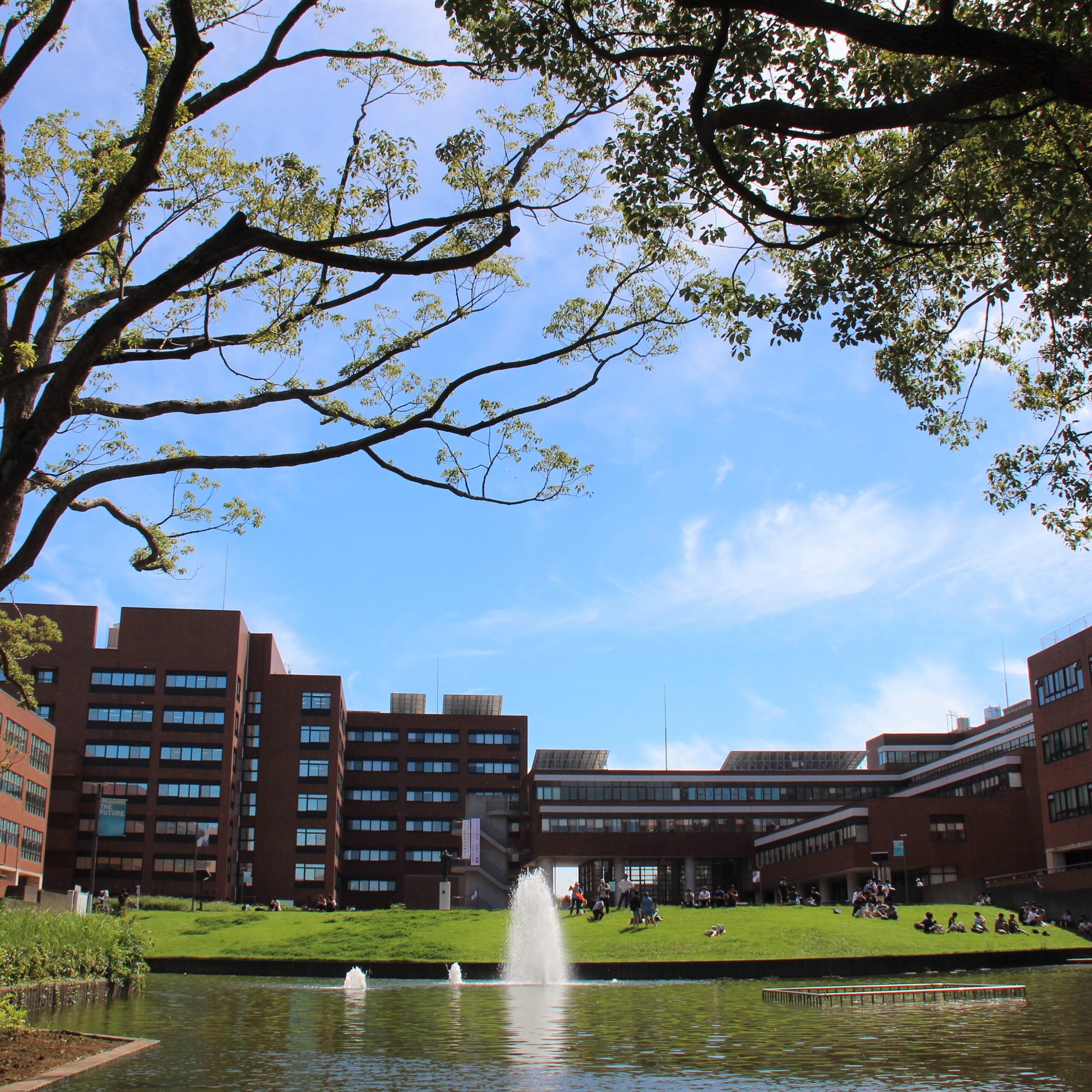
University of Tsukuba
Location: Tsukuba, Ibaraki Prefecture
Tuition: ¥535,800 per year
Programs: Geoscience, Biology, Agro-Bio Resource Sciences, Global Issues, International Social Studies, Interdisciplinary Engineering, Medical Sciences

Waseda University
Location: Tokyo
Tuition: ¥1,281,000 to ¥1,784,000 depending on program
Programs: Political Science, Economics, Global Political Economy, Transnational and Interdisciplinary Studies in Social Innovation, International Liberal Studies, Transcultural Studies Global Studies in Japanese Cultures, Mathematical Sciences, Computer Science and Communications Engineering, Mechanical Engineering, Civil and Environmental Engineering
Hi! Are you planning your move to Japan? It’s stressful and confusing!
That’s why we made Japan Remotely Academy.
It’s years of hard-learned lessons, condensed into an easy-to-follow library of resources: how to get better jobs, find the best places to live, find foreigner-friendly housing and employment, and more! So you can move to Japan the best way for you (and the best way for Japan!) the first time around!
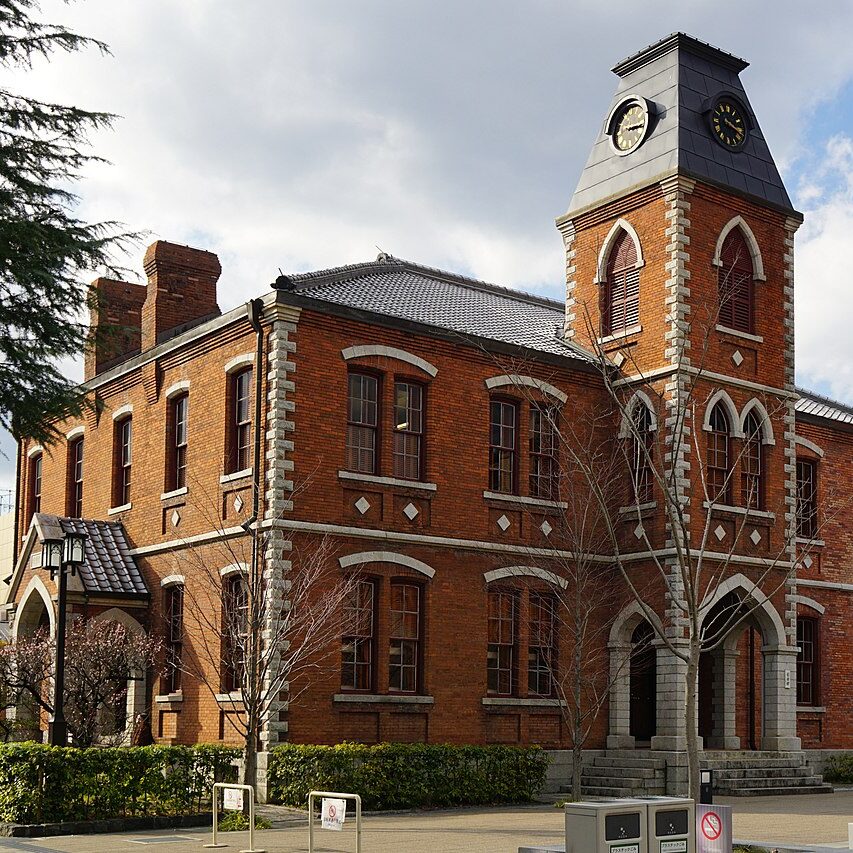
Doshisha University
Location: Kyoto
Tuition: ¥783,000 per year
Programs: Liberal Arts
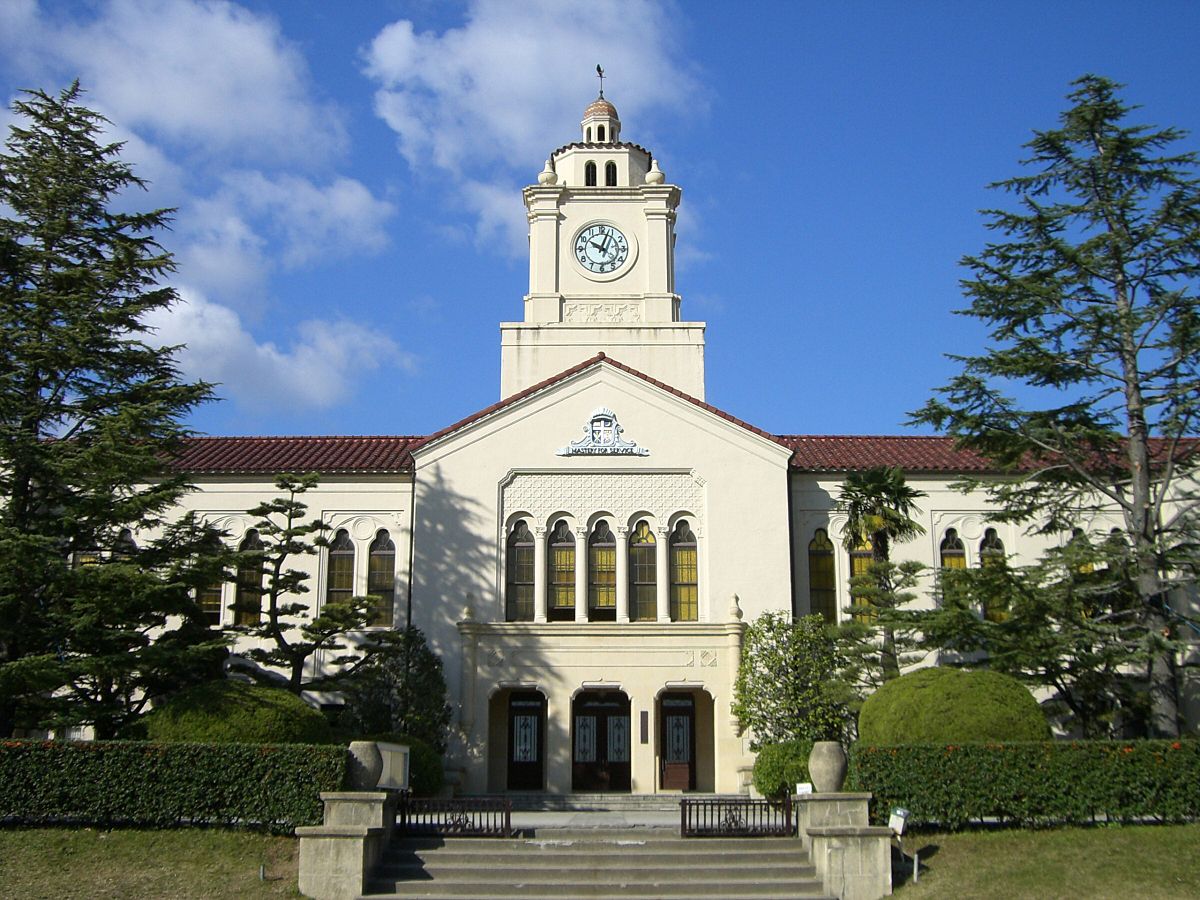
Kwansei Gakuin University
Location: Hyogo
Tuition: ¥1,028,000 per year
Programs: International Studies
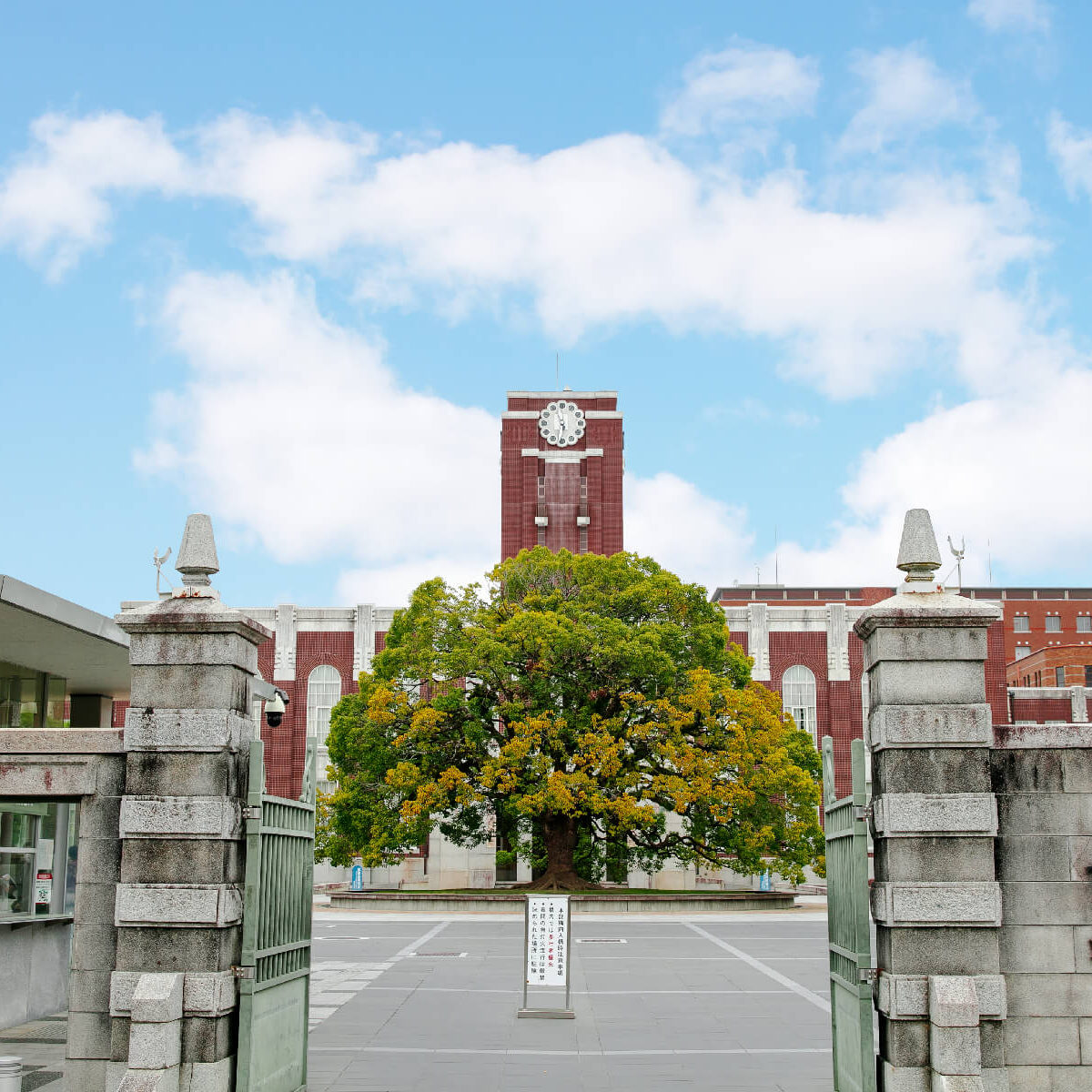
Kyoto University
Location: Kyoto
Tuition: ¥535,800 per year
Programs: Engineering, Kyoto iUP (International Undergraduate Program in Civil Engineering)
Kyoto University of Advanced Sciences
Location: Kyoto
Tuition: ¥884,000 to ¥1,340,000 per year, depending on the program
Programs: Global Business and Economics, Engineering, Bioenvironmental Sciences
The University of Osaka
Location: Osaka
Tuition: ¥535,800 per year
Programs: Human Sciences
Kyushu University
Location: Fukuoka, Kyushu
Tuition: ¥535,800 per year
Programs: Applied Chemistry, Civil Engineering, Electrical Engineering and Computer Science, Mechanical and Aerospace Engineering, Agriculture
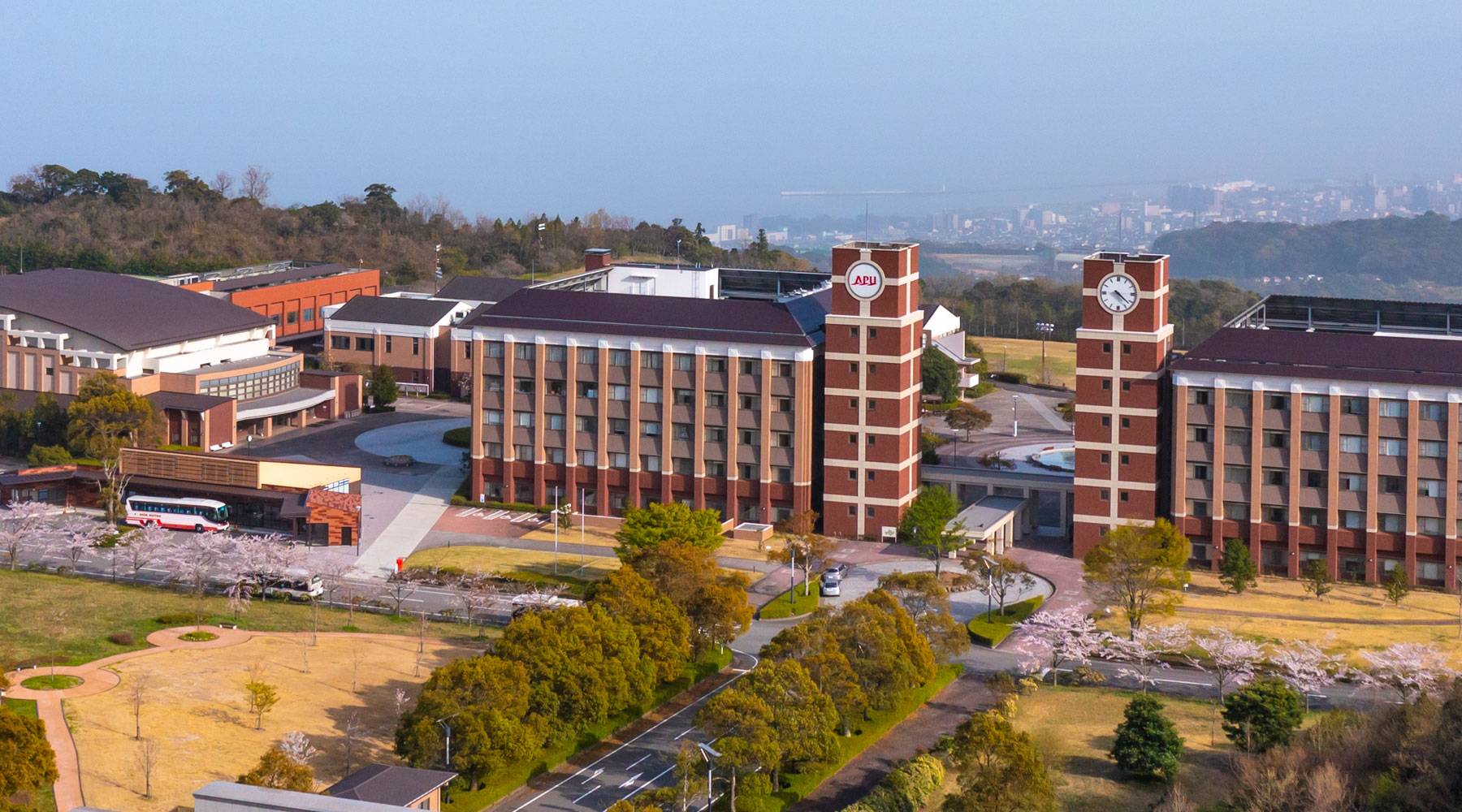
Ritsumeikan Asia Pacific University (APU)
Location: Beppu, Oita Prefecture
Tuition: ¥1,300,000–¥1,500,000 per year
Programs: International Management, Asia Pacific Studies, Sustainability and Tourism
Currently, there are no English-taught undergraduate programs in this region.
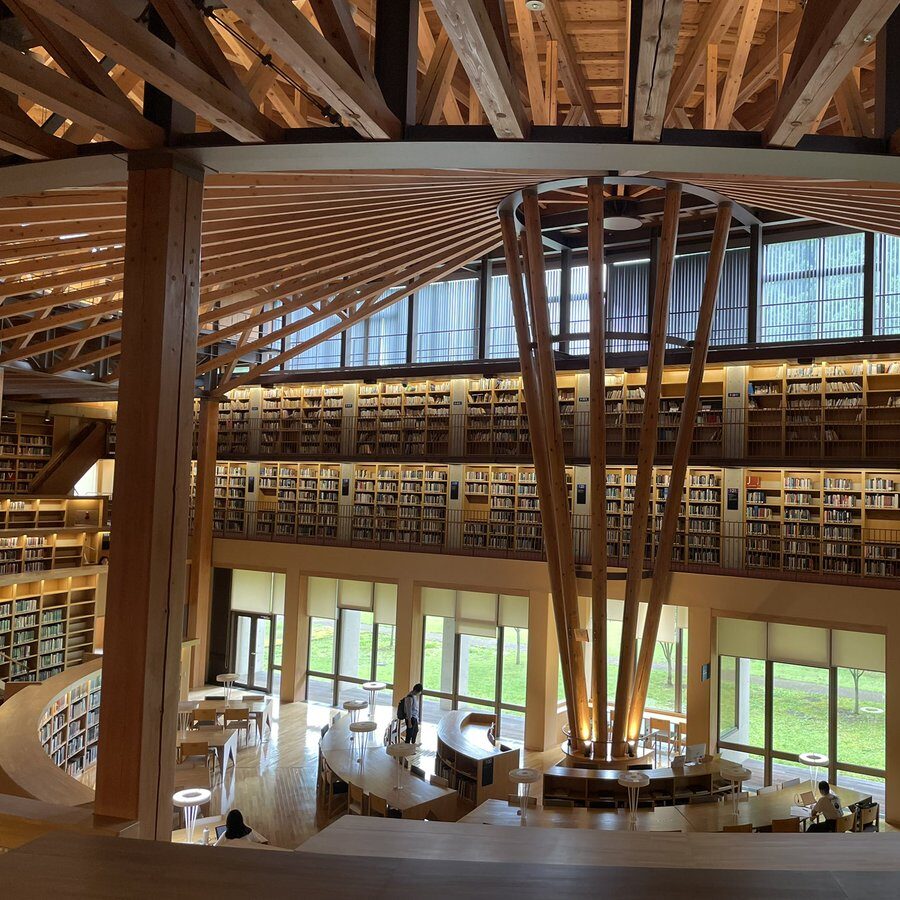
Akita International University (AIU)
Location: Akita City, Akita Prefecture
Tuition: ¥696,000 per year + matriculation fees and housing if applicable
Programs: Global Business, Global Studies, Global Connectivity
Note: All courses are taught in English; a study-abroad year is required
Tohoku University
Location: Sendai, Miyagi Prefecture
Tuition: ¥535,800 per year
Programs: Advanced Molecular Chemistry, International Mechanical and Aerospace Engineering, Applied Marine Biology
This will depend a bit on your personal goals and circumstances, but here are some questions you may want to ask yourself:
Generally speaking, dependents of those attending university will be more likely to be approved for a dependent visa. Those attending language school are less likely to have dependents approved.
If your Japanese is good and you feel confident in your self-study abilities, you might prioritize attending University. If you want to have a solid foundation (and possibly open up options to attend college in Japanese), you might want to start with language school.
The student visa for both university and language school allow you to work part-time up to 28 hours per week while on the visa. But if you want to transition to a full-time position as soon as possible, you may have more work visa options by completing a 4-year degree first.
Tuition for schools vary. But universities in Japan can be very affordable, especially when compared to the US. So don’t rule them out!
At a university, you might stick out if you are foreign and/or older. Versus at a Japanese language school, all students are international and you may find a bit more variety in age. If this matters to you, it could impact your decision on whether to attend University vs. language school.
If you want to stay in Japan long-term to work, you will likely need a 4-year degree. Rather than finish it in your home country, you could finish it in Japan. And if you are coming from the US, this might save you a great deal on tuition!
Yes. English-speaking colleges and universities in Japan offer undergraduate degree programs where courses are either entirely or substantially in English. These programs are designed for international students and Japanese students seeking a global education. Whether or not administrative support is available in English depends on the institution.
Yes! Many English-language universities in Japan do not require Japanese proficiency for admission or coursework. However, learning basic Japanese can enhance your experience and daily life. Double-check with specific institutions to confirm their requirements. Some colleges offer collaboration-style courses where both English and Japanese are spoken in the classroom, intended to enhance students’ immersion and exposure to their non-native language while encouraging cross-cultural connections.
To study at an English-language college in Japan, you must obtain a student visa. This visa allows you to reside in Japan for the duration of your studies. Most universities will assist with the visa process after you receive your offer of admission.
Requirements vary by university, but generally include:
If you’re applying from overseas, make sure to check specific program details—some offer special international admission tracks.
Securing employment in Japan after graduation can be challenging for international students. While Japan has a high graduate employment rate, this primarily benefits domestic students. International graduates may face hurdles such as language barriers and cultural differences. However, studying in Japan can be a competitive advantage, as employers value candidates familiar with Japanese culture and business practices. Proficiency in Japanese and networking can significantly enhance job prospects.
Studying at an English-language college in Japan offers a unique blend of immersive cultural experience and academic rigor. Unlike short-term study abroad programs, enrolling in a full-degree program allows for deeper integration into Japanese society, long-term networking opportunities, and a comprehensive understanding of the local culture and language.
Yes, most English-language colleges in Japan offer Japanese language courses to help international students acclimate to daily life and enhance their communication skills. These classes range from beginner to advanced levels and are often included in the curriculum or available as elective courses.
International students on a student visa can work part-time in Japan, up to 28 hours per week during academic terms and up to 40 hours per week during long school vacations. However, you must obtain permission from the immigration office before starting any part-time job.
Tuition at English-speaking colleges in Japan ranges from around ¥535,800 to over ¥2,600,000 per year, depending on the university and program. Additional fees for housing, admissions, and student services may apply. Financial aid services are available at select universities.
A few universities in Japan offer online or hybrid programs, but most English colleges in Japan still require students to attend classes in person, especially for undergraduate degrees. However, some courses and summer programs may be offered online. If you’re looking for remote learning options, check with universities like Temple University Japan or Waseda, which occasionally offer online content.
Yes, several financial aid options are available for international students in Japan:
It’s advisable to check with your chosen university’s international office for specific financial aid opportunities.
A 529 is an American tax-advantaged savings account specifically for educational purposes. In order to utilize these funds, they must be paid to qualified educational institutions. The list of approved institutions changes annually. Always check directly with the institution and your tax advisor for the most up-to-date information, but here are some institutions that have been qualified in the past:
Japan is increasingly becoming a hub for global higher education. With a growing number of English colleges in Japan, students worldwide have more opportunities than ever to pursue their degrees in a country rich in history, innovation, and culture.
Need assistance choosing a program or preparing your application? Feel free to reach out! We’re here to help!
Do you have questions about how you can make a strategy to move (and stay!) in Japan? Maybe language school is your first step, but what are you options after the student visa runs out?
👋 Hi! I’m Nick, an experienced Immigration and Moving Consultant at Japan Remotely. Having passed JLPT N1 myself (thanks to language school in Japan), I understand the value of getting a solid foundation in Japanese as soon as you can.
We help navigate visa types, Japan real estate, location scouting, career opportunities in Japan, business strategy, and more. We help you create a realistic Action Plan and Visa Strategy, so you can find your fastest track to permanent residency and the lifestyle you’ve been dreaming of.
Interested to learn more? Talk to us! We are happy to discuss a custom strategy.


23 February, 2026

10 November, 2025

19 September, 2025