




3 June, 2026

Why is it lucrative to explore business opportunities in Japan? For starters, it’s the third largest economy in the world, offering the opportunity to reach a whole new set of consumers, clients, or affordable labor.
Japan’s workforce exudes commitment, with employees going to great lengths to ensure timely delivery, high quality, and consistently good service. The country has some of the most reliable public transportation and infrastructure in the world, a strong legal system, and a sense of morality at the core of Japanese culture.
And as Japan’s population continues to shrink, Japanese companies anticipate a decline in domestic consumption. It will become more and more necessary to collaborate internationally. This gives Japanese companies access to ride the economic growth of other countries. [source]
But there are many barriers for both international companies looking to enter Japan and Japanese companies looking overseas. For example, language, cultural fluency, need for long-term social commitment to Japanese working relationships, and more.
So whether you are considering expanding into Japan through local partnerships, you are looking to build a strong in-person presence or a small venture, there are many opportunities for international business connections.
It may not be obvious at first glance. However there are many ways in which Japan is open to working with both businesses overseas and domestic foreign-owned businesses.
For example, Nagoya city and Aichi prefecture are currently offering resources and support to overseas companies who are interested in building a local presence. The initiative is co-sponsored by JETRO, the Japan External Trade Organization. They work to bridge the gap between Japan and foreign business.
The initiative offers subsidies, free office space, and assistance to navigate tax, registration, networking and other professional services.
There are many business segments that are of particular interest to Japan. For example, Japan is facing more and more stark levels of aging and depopulation. As a result, the country has been interested in finding ways to use AI to create greater efficiencies in the shrinking workforce.
One such example is the work done with SOLO Wellbeing. This Israel-based company developed emotional intelligence tools, and was able to receive support via JETRO’s matching support program. They were able to partner with a leading nursing home in Kagoshima to optimize care and enhance care service confidence. This resulted in a fantastic case study for forward-thinking business opportunities in japan.
Microsoft is simultaneously investing $2.9 billion to boost cloud computing and AI in Japan [source], recently opening AI Innovation Lab Kobe (their sixth AI center in the world) with plans to train 3 million workers in Japan.
Prime Minister Kishida said, “…It is important for the Japanese industry as a whole to work with global companies like Microsoft that are equipped with a set of digital infrastructure. We appreciate Microsoft’s announcement of its new investment in Japan. Microsoft has made significant contributions to the social implementation of generative AI in Japan through various initiatives, and we look forward to further collaboration.”
Many municipalities across Japan have jumped on the opportunity to support start-up initiatives, but start-up support can also come directly from large Japan-based Corporations.
Trusted Corporation (Tokyo / Switzerland) provides innovation assistance, connecting foreign start-ups to large Japanese corporations. First, the innovation needs of companies such as Honda, Fujitsu, Toyota, Panasonic, Yamaha and others are identified. TC then researches the start-up and business landscape, seeking ways to deliver large corporations a creative solution that has already been created or is in development. This can be a lucrative and well-supported way to enter the Japanese market for innovative small businesses.
In-bound accelerators (programs designed to support and develop businesses at the start-up phase), are regularly sponsored by Japanese corporations. The difference between these accelerators and western-style accelerators is that in Japan, the program is much more likely to be designed as a market-entry vehicle. Supported groups are connected with a Japanese partner, who makes sure that the concept is suitable for Japan’s specific needs.
Japanese venture capital and angel investors have funded foreigner-led companies in finance, supply chain, health, lifestyle, tech, education, media, saas, DX, and sustainability.
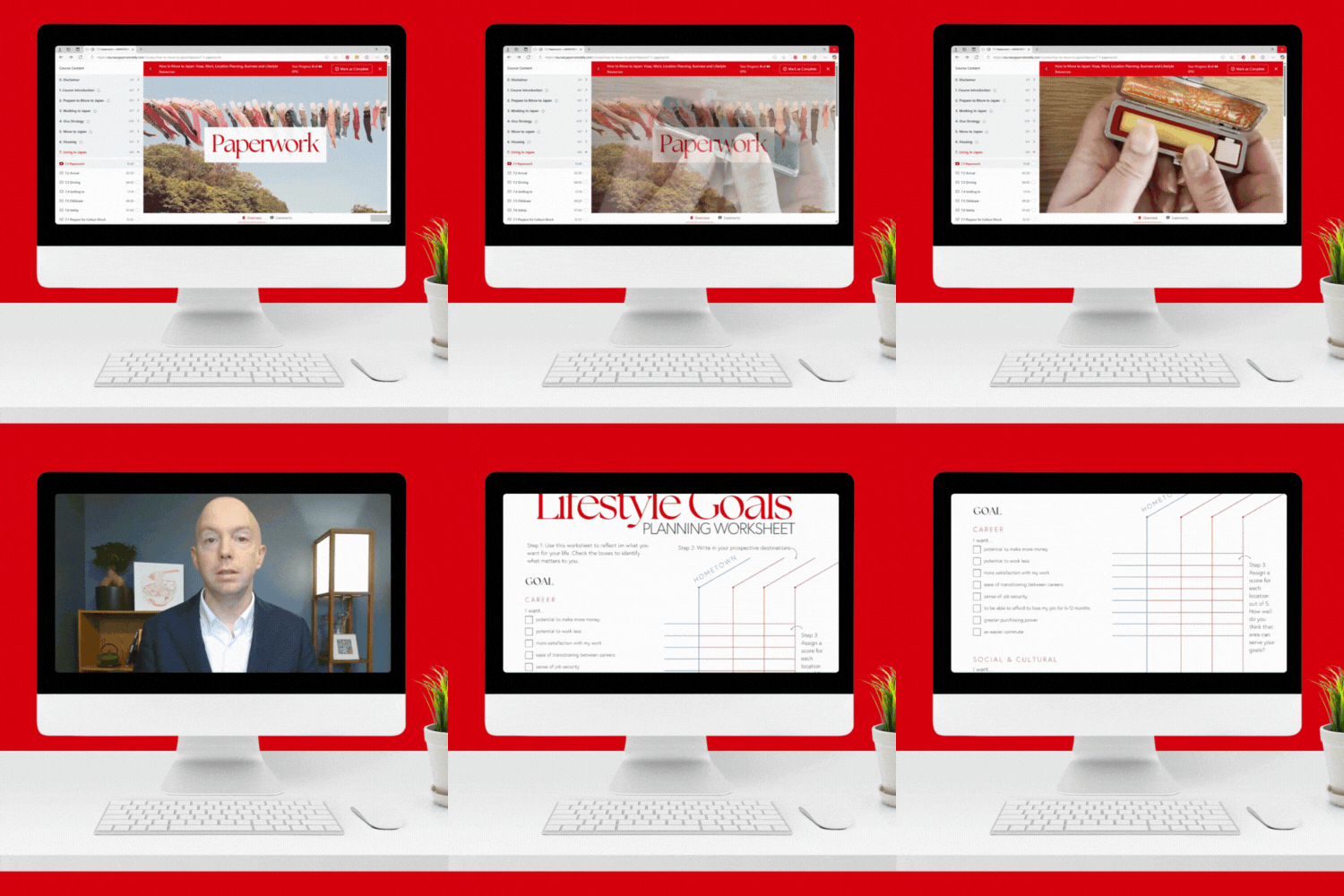
Hi! Are you planning your move to Japan? It’s stressful and confusing!
That’s why we made Japan Remotely Academy.
It’s years of hard-learned lessons, condensed into an easy-to-follow library of resources: how to get better jobs, find the best places to live, find foreigner-friendly housing and employment, and more! So you can move to Japan the best way for you (and the best way for Japan!) the first time around!
Japanese culture is often noted for it’s history of isolation and lack of diversity. Cultural expectations may strike Western collaborators as rigid, strict and high-pressure.
For example, Japanese producers may have what seems to be a perfectionist approach but are uncompromising on the speed of delivery. This may seem commonplace for Japanese employees, but can be particularly frustrating for those used to a more flexible western work style.
People and teams who are able to find mutually beneficial working partnerships across cultural gaps will find they have cross-cultural superpowers. They can bring these skills to larger, lucrative opportunities.
Here are some segments where businesses can thrive by bridging the gaps.
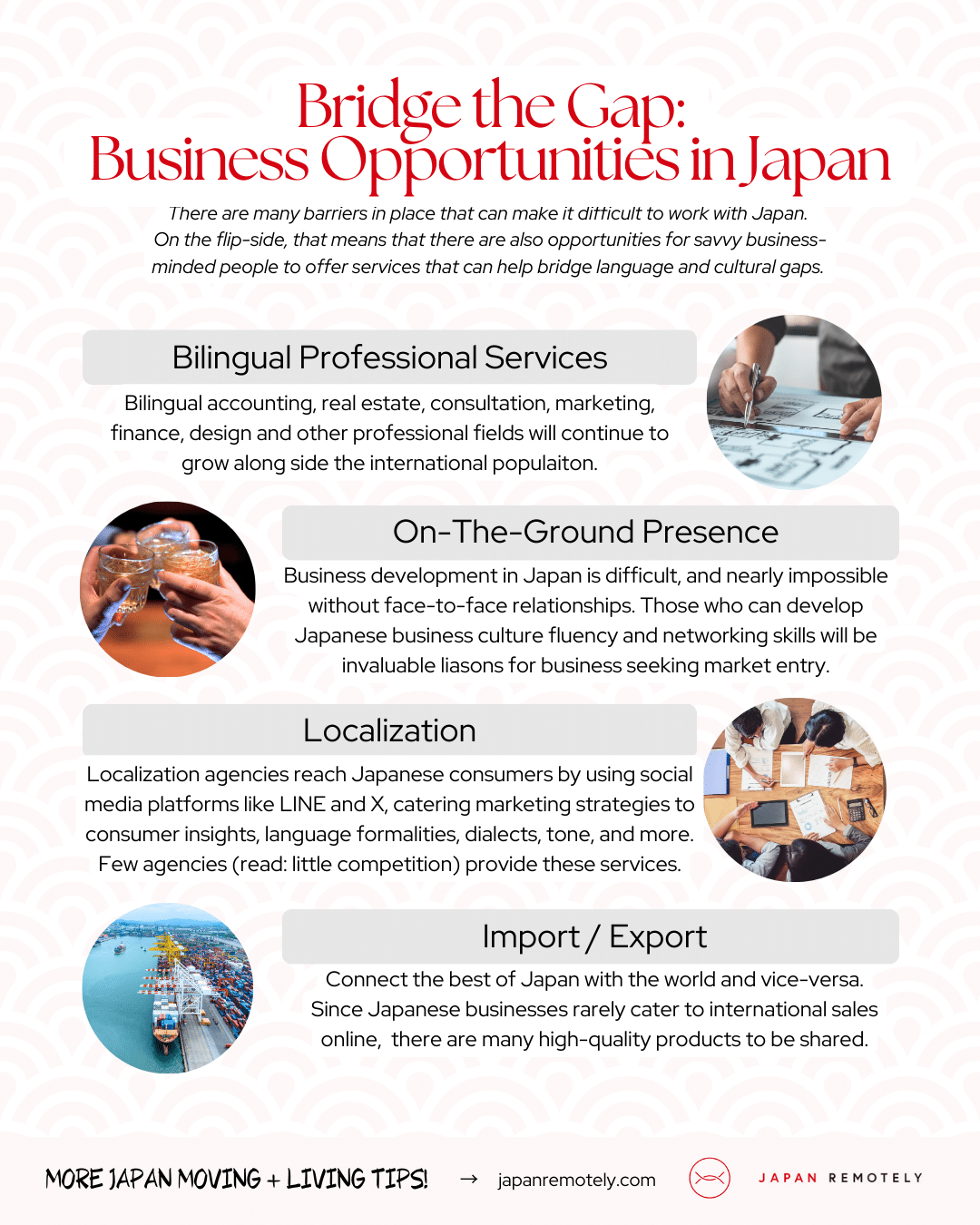
One of the primary challenges in Japan is the language barrier. Bilingual services, particularly those with layered professional expertise, can provide a significant advantage.
Companies offering translation, interpretation, and localization services are in high demand, as they help international businesses communicate effectively with their Japanese counterparts and customers.
But perhaps even more lucrative is companies pairing bilingual capacity with specialized professional services. One common job title in the tech industry is “bridge engineer.” They pair their language and technical skills to help Japanese engineers succeed in global projects.
As the English-speaking foreign population in Japan continues to rise, there will be an increased need for professional services for this audience. This means bilingual legal, accounting, real estate, consultation, marketing, finance, design, and other professional services that can understand Japanese regulations and resources while serving foreign clients.
Having a local presence isn’t just a game-changer; it’s practically a necessity for market entry. Many Japanese will fully refuse to engage in larger business deals before appropriate relationships are established.
This may start with an evening visit to the bar. But even on the first meeting, discussions around business would be seen as too soon. Only after the first friendly meeting is it acceptable to consider a professional relationship. Business Development in Japan is difficult and may even be impossible without face-to-face connections.
But to be honest, very few international people can achieve the levels of cultural fluency necessary for an on-the-ground BD role.
Quite often what we’ve noticed in successful foreign-directed service providers in Japan is that they are either a Japanese company that has one English-speaking Japanese liaison or they are a foreign company that relies on a strong relationship between one foreign person and one Japanese person, be it through long-term friendship, marriage, or otherwise.
Cultural fluency involves more than just language proficiency; it includes a sensitivity towards long-held customs, business etiquette, and societal values. Companies that invest in cultural training for their liaisons and employees can build stronger relationships and trust with Japanese partners.
Japanese business etiquette involves some simple practices, such as how to exchange business cards, dressing conservatively, and observing basic practices of respec,t like taking off shoes where others do.
Some of the expectations that are more difficult for foreign partners to follow through on may include the strict adherence to hierarchy and the need to go out of one’s way to ensure that Japanese participants feel respected at nearly any cost. This may mean making some sacrifices on things us westerners may hold as important personal values, such as self-respect, eschewing gender-based stereotypes in the workplace, or beliefs around workplace discipline.
A common stereotype that Japanese people have of Westerners is that we are self-centered. While you may or may not take issue with sentiments like these, the difficult truth is that Westerners will need to do everything in their power to avoid reinforcing prejudices. The moment that the westerner makes a slip could mean that their character is re-colored in the eyes of the Japanese partner, resulting in a serious loss of trust across the larger teams.
Bridging the gap between cultures in working partnerships isn’t just difficult; many people will find that they simply don’t care to endure it. As a result, competition is low for cross-cultural business liaisons.
Localization agencies understand how to effectively reach Japanese consumers by using the proper social media platforms like LINE ads and X/Twitter. They tailor marketing strategies to these platforms, along with customized consumer insights, understanding language formalities, dialects, tone, and more.
Few small agencies (read: little competition) provide localization services for global industries looking to connect with Japanese audiences.
Japan offers numerous import and export opportunities that can connect the best of Japan with the world and vice versa. Understanding Japanese regulations, consumer preferences, and market trends is essential for success in exporting to and from Japan.
Even what may seem like a small niche opportunity has room for multiple players. Take, for example, food subscription boxes from Japan. Tokyo Treat, Bokksu, Sakuraco, Kokoro Cares and others have made a name for themselves in Japanese food exporting; with a firm foot in Japan and well-established channels abroad.
Japan’s real estate market presents unique opportunities, especially with the high availability of cheap, vacant houses.
Trend-setting companies have also jumped on the trend; Japanese home products icon, Muji, has adopted an akiya in Kamogawa and now offers the property as a short-term vacation stay experience. The design blends traditional Japanese sensibilities and modern amenities – demonstrating the potential for both rural revitalization and property investors.
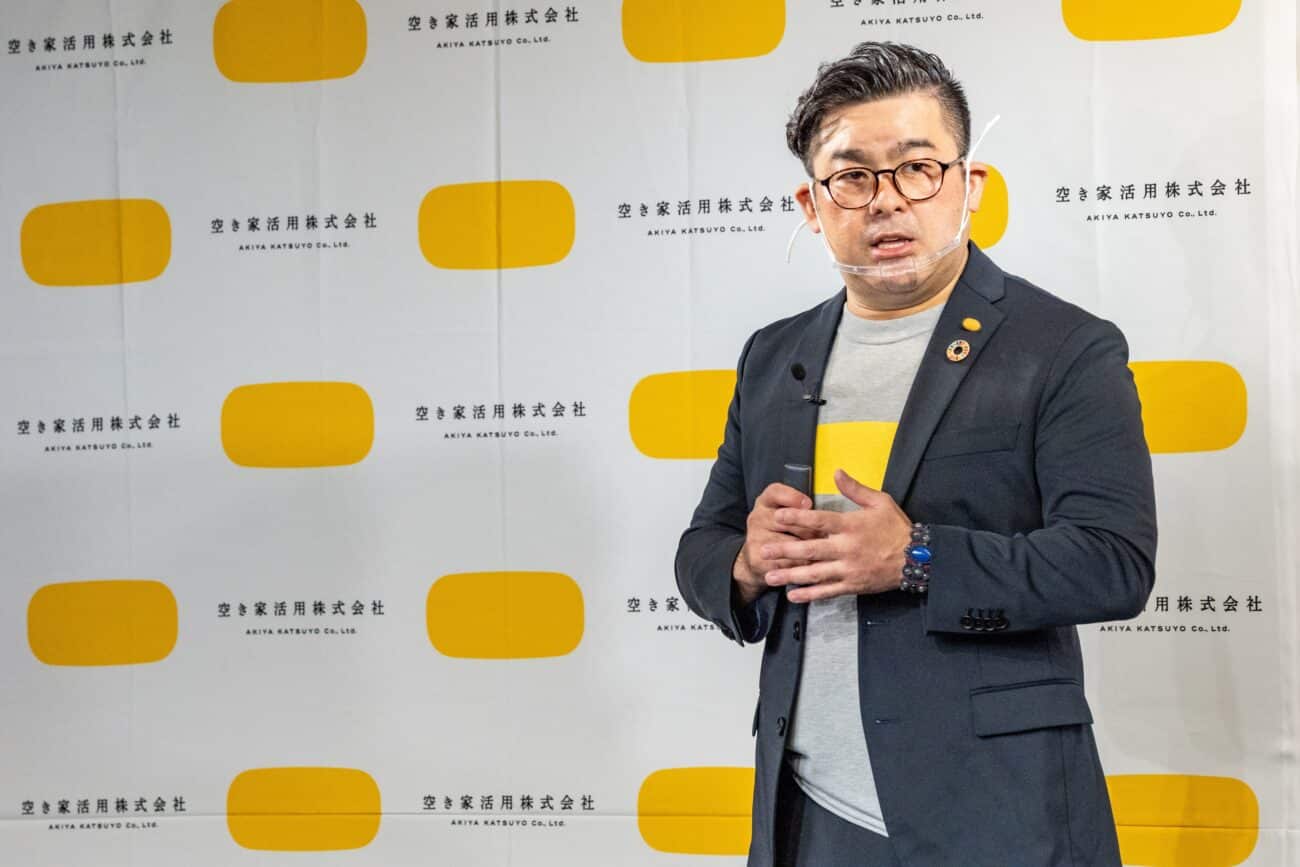
Similarly, AirBNB has been slowly but surely working towards an initiative to make use of Japan’s empty houses. In spring of 2024, a partnership was announced between AirBNB, Orico (a financial institution) and Akiya Katsuyo Co. Ltd. (A vacant house counter-measures consultancy and services company). Consumer offerings have not yet been announced.
Some large companies have taken notice and started to pursue initiatives. But Nomura Research Institute estimated that the number of akiya (vacant houses) will still surpass 23 million by 2038 if kept on the current trajectory. [source] So independent investors and entrepreneurs will still have room to jump on board.
But real estate ventures could also look like any number of business initiatives. It could mean investment for long or short-term rentals, converting buildings for commercial purposes, property management services, and all the associated start-up services. English-speaking Japanese real estate services have seen high demand, especially with the increased property demands over the past two years.
Websites like Voyapon, Japan Guide, and MATCHA offer valuable insights to foreigners seeking information on travel and culture. These sites actively partner with Japanese municipalities and businesses, using organic search and influencer marketing to share local experiences with foreign audiences.
But Japan’s tourism industry is vibrant and full of potential. With Japanese companies often absent from the English-speaking internet, there is a gap that internationally-minded tourism agencies can fill. Creating bespoke, one-of-a-kind experiences with high quality is easy in Japan, thanks in part to the culture-wide value of hospitality.
Anne Kyle founded Arigato Travel in 2016. The company now has over 100 employees, specializing in food tours and cultural experiences. Similarly, small-scale ventures continue to pop up, providing mom-and-pop style experiences. Unbeaten Japan is an example, marketing bespoke countryside tours through Kansai countrysides.
The market is rich with opportunities for business in Japan that can bridge the language and cultural gaps.
Invest in bilingual services, cultural fluency, local presence, tailored marketing, export strategies, real estate ventures, or bespoke tourism experiences. International businesses can thrive in this dynamic and unique market.
Japan has high pride in the “Made in Japan” brand value. They see themselves as a global leader in quality engineered products and manufacturing. With a desire to expand internationally but needing assistance with localization and consumer insights, you can begin to anticipate prospects with Japanese companies.
Japan offers a diverse and lucrative landscape for international businesses willing to navigate its unique cultural and linguistic challenges. By embracing bilingual services, understanding cultural nuances, and nurturing an on-the-ground presence, businesses can successfully tap into Japan’s potential. Additionally, sectors like real estate, tourism, and tech provide ample opportunities for growth and partnership.
Ultimately, bridging the gap between different business practices and cultural expectations can lead to substantial reward in the Japanese market. You just need to know where to look. 🙂
Need a sounding board to help with your Japan immigration strategy? We’ve got your back!
👋 Hi! I’m Nick, an experienced Immigration and Moving Consultant at Japan Remotely. We help navigate visa types, Japan real estate, location scouting, business opportunities in Japan, career strategy, and more. We help you create a realistic Action Plan and Visa Strategy, so you can find your fastest track to permanent residency and the lifestyle you’ve been dreaming of. Start by talking to us! We are happy to discuss a custom strategy.

23 February, 2026