


23 February, 2026


Do you want to work remotely or be self-employed in Japan? It sure helps to have an office to rent to get things done!
If you want to open a company and go for the business manager visa then having a dedicated office even becomes a requirement.
But renting an office as a small business can really put a strain on your budget. Even large companies have started coming up with strategies to minimize their footprint such as hot desking, compact open offices, and scheduling software.
There are many challenges for an individual or company to begin working in Japan, including renting an office.
In this post, we’ll be showcasing four creative hacks to get cheap office rent in Japan, capitalize on Japan’s low-cost real estate, and make the most out of small spaces.
How much does it cost to rent an office in Japan? Less than you might think!
Office rent space in the US is known to be expensive, especially in major cities such as New York City, San Francisco, and Washington D.C.
In NYC, the average office space rent for one employee is about $15,000/year. Yikes.
| City | Office rent per employee, per year |
| New York | $14,800 |
| San Francisco | $13,032 |
| Washington, D.C. | $10,522 |
| Chicago | $7,000 |
| Los Angeles | $6,702 |
| Miami | $6,630 |
| Seattle | $6,420 |
| Boston | $6,080 |
| Houston | $5,668 |
| Dallas | $4,618 |
| Atlanta | $4,194 |
| City | Office rent per employee, per year (2020) |
| Tokyo | $5,028 |
| Yokohama | $2,808 |
| Osaka | $2,736 |
| Fukuoka | $2,544 |
Based on average office rent rates per person, we are already off to a great start. Office rent in Japan is cheaper than in the US.
Even central Tokyo, rates are far more affordable than NYC or Silicon Valley. For someone earning an income with a US-based salary, there would be substantial savings from both office rent and overall cost-of-living expenses.
But are there creative ways to save even more? Oh yes, there are! I’m glad you asked! 😉
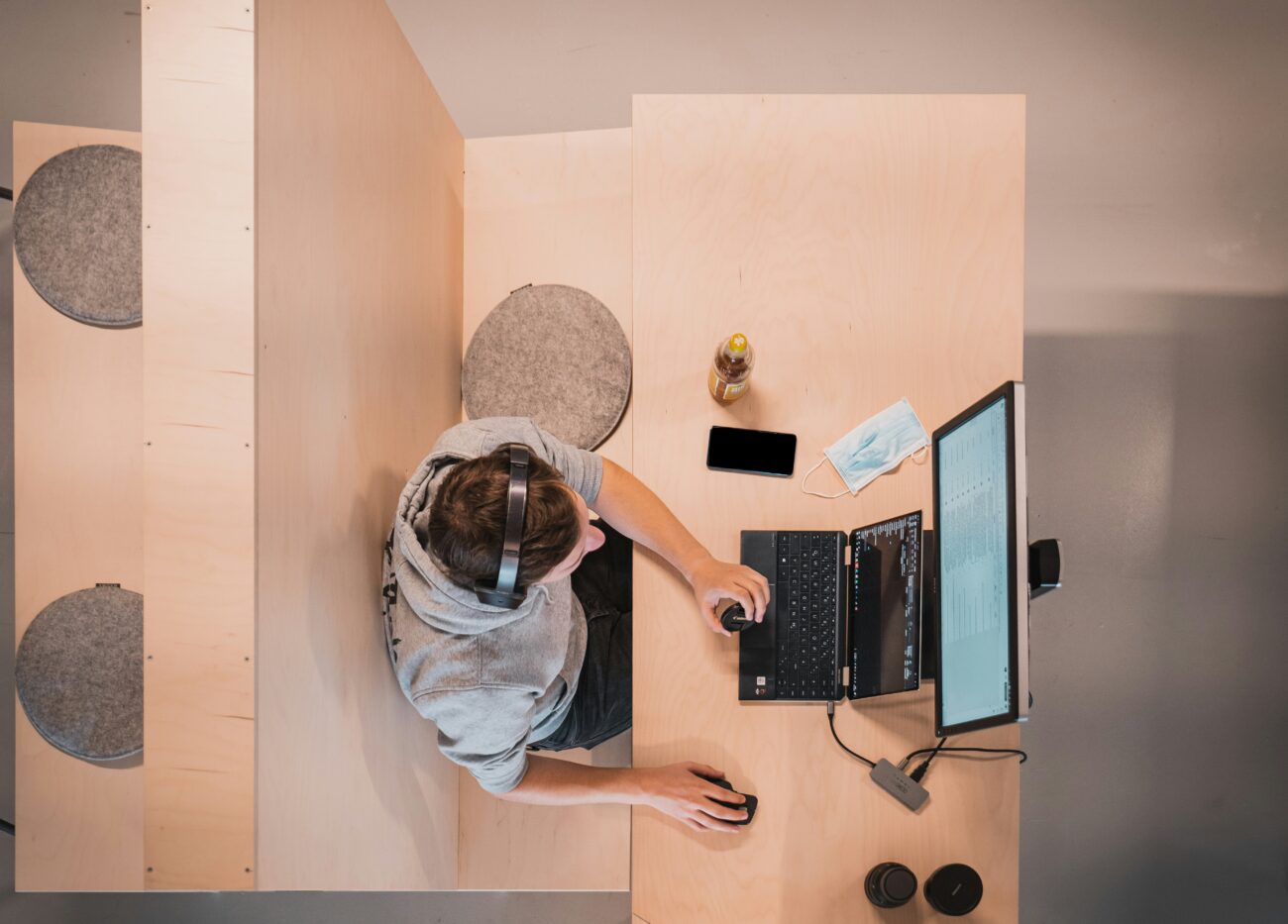
Startup visas are now available nation-wide, however one city still stands out as having the best perks for new business owners and entrepreneurs.
Fukuoka has the fastest growing foreign population of any city in Japan (source: Reuters Plus). They have noteworthy initiatives as part of a national strategy to support foreigner-owned, domestic entrepreneurship. In fact, they call themselves the Startup City.
National “Business Manager” visa requirements state that you need a physical office space (separate from your home) with enough room for two people. Your business manager visa application documents may even need a lease and photos of this dedicated office.
Under Fukuoka City’s Startup Visa program, entrepreneurs may operate from approved coworking or incubation facilities for up to one year. During the subsequent transition to the Business Manager Visa, immigration authorities may allow temporary continued use of such facilities while a permanent office is secured, however this is subject to case-by-case review.
There are also home and office rent subsidies available to foreign entrepreneurs for up to one year. That’s right – this city program may pay up to ¥50,000 / month towards your office rent. Fukuoka city even has tax cuts for some IoT, International, Medicine, Agriculture, and Advanced IT businesses.
Fukuoka also supports foreign entrepreneurs by providing business support services at their Startup Café and English support through the Global Startup Center. Please note that these services are not free.
See also:
JETRO’s Fukuoka Profile
Fukuoka Growth Next
Engineer Friendly City Fukuoka
Startup City Fukuoka on Facebook
Yes, you heard me right. Not enough people are talking about free office space in Japan!
Great for digital nomads, freelancers, sole proprietors, small teams, or anyone looking to hit the ground running while they look for a long-term office.
For those on a start-up visa, (which may be granted for up to a year), there are some coworking spaces that are approved to use instead of renting a full office.
Deloitte Tohmatsu Innovation Park in Marunouchi, Tokyo is surprisingly high-end and centrally located for a free facility. Their mission is to foster the next generation of innovation. I’m sold. (Registration required in advance).

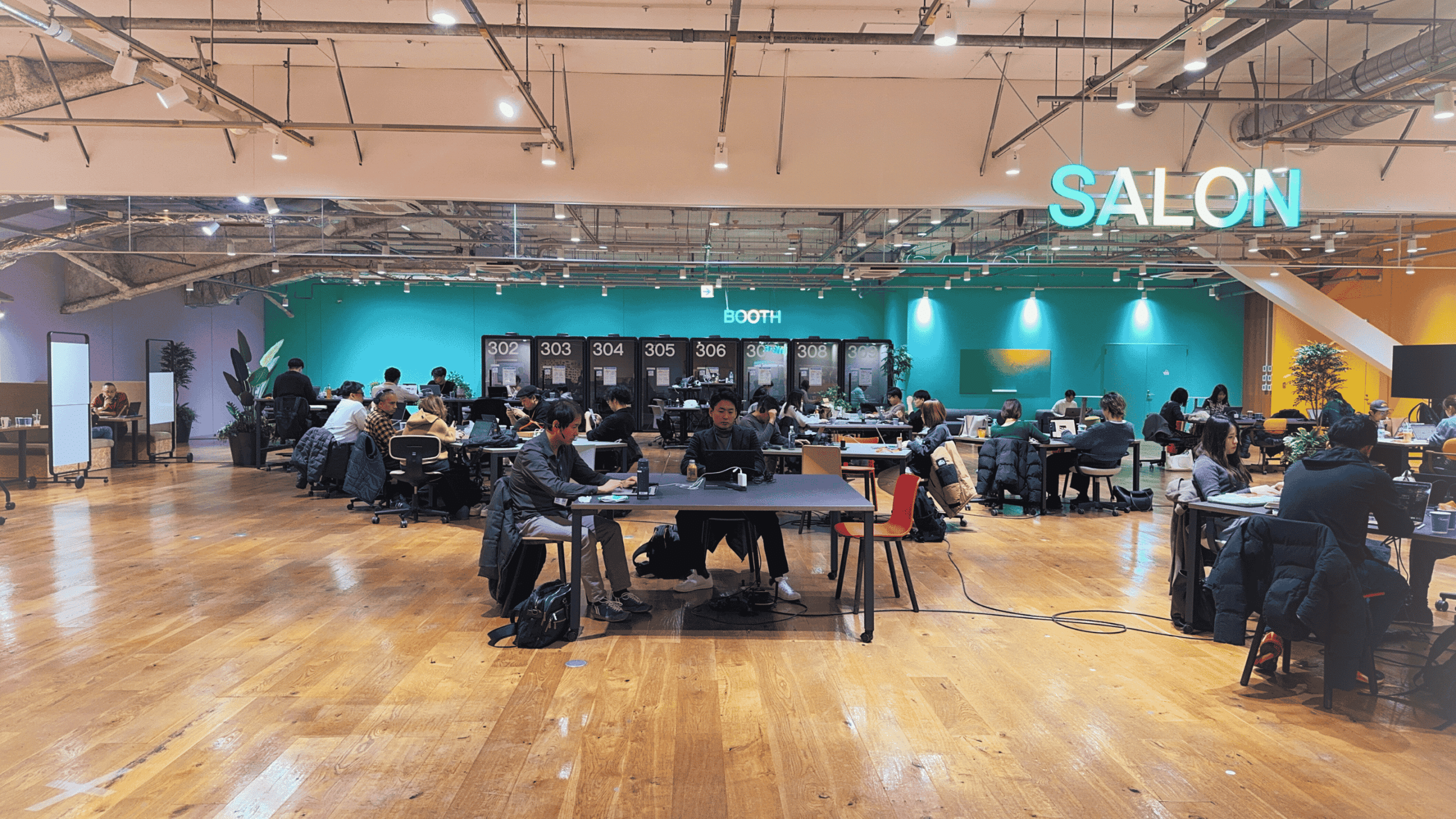
AWS Startup Loft (by Amazon) is another free coworking space in Tokyo. It’s got wifi, snacks, phone booths, greenery, skyline views, events and a 4.7-star rating on google. It is available for those with an Amazon Web Services account, which has a 1-year free tier option.
ASTEP KOBE Coworking is a free women’s coworking space operated by the Kobe City Gender Equality Center. It includes free childcare, free PC use, wifi, workshops and career counseling.
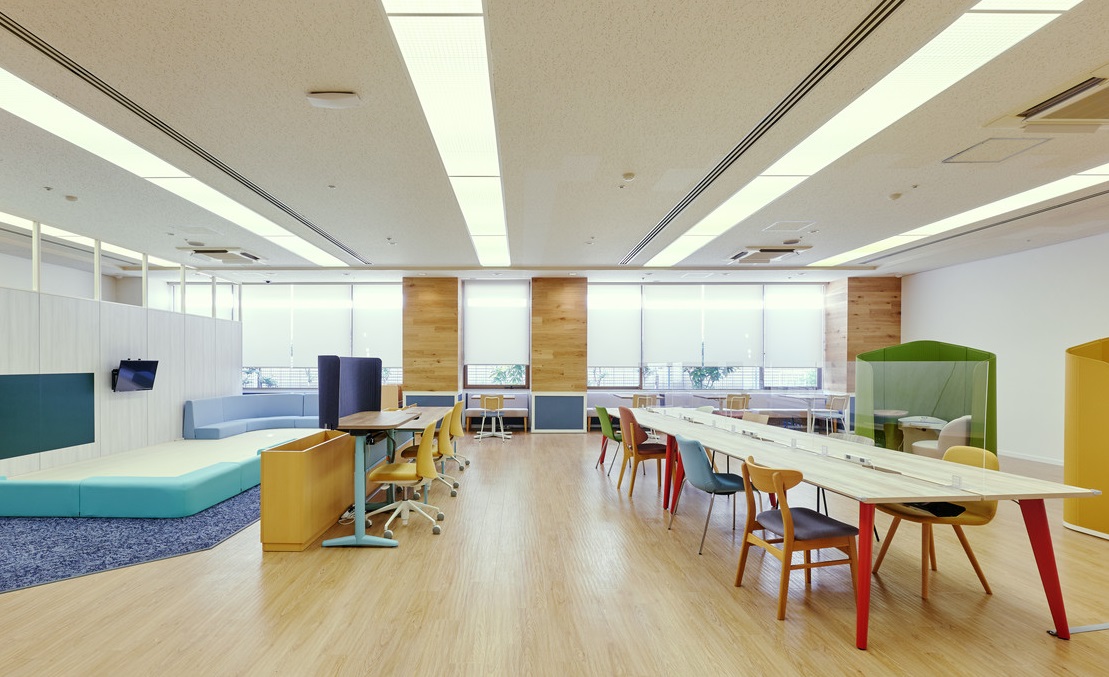
Engineer Cafe Hacker Space Fukuoka is a free coworking space with wifi, outlets, and even free rental of specialized equipment such as a laser engraver and 3D printer. There is a cafe/bar and terrace, too.
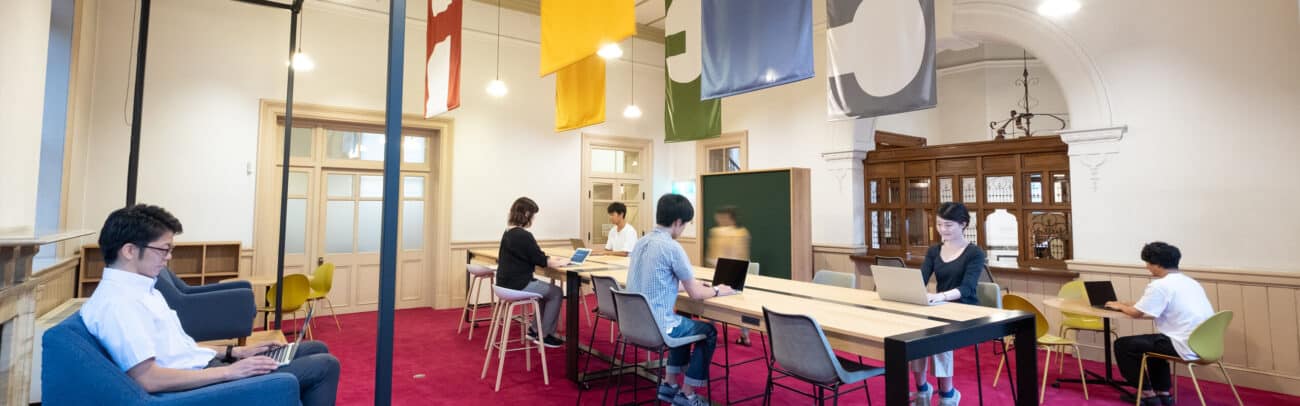
Machinaka Office in Kazuno City, Akita Prefecture is compact, but does the trick! There are also larger conference rooms and shared office spaces available for rent, plus free parking.
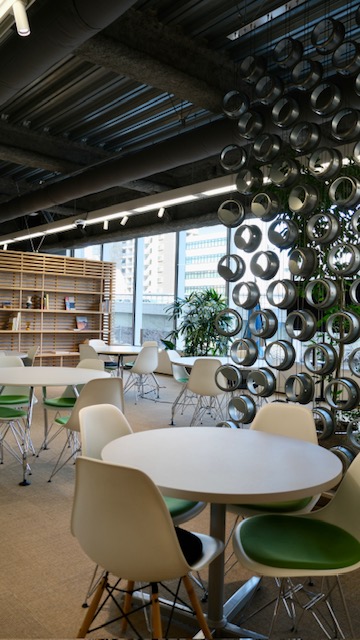
PYNT is “co-creation” spaces in Tokyo (Iidabashi and Takebashi), sponsored by architecture firm, Nikken Sekkei. The space features many of the firm’s patents and successes on display, plus a members’ library, presentation space, bar/cafe (for a fee), inclusive restrooms, and immersive projection area. PYNT can used when escorted by a Nikken Group employee, or by pre-approved “PYNT Members.” So technically it is free, however it is by-invite-only.
JETRO (Japan External Trade Organization) started a program to support start-ups in Japan. The “Global Startup Ecosystem” includes mentorship, webinars, and free coworking space in some of the “hub” locations for up to three months. But honestly, don’t let the three month limit get you down (coworking full-price rates are generally very low).
Also, many coworking spaces offer a free trial day. In 2021, there were around 631 flexible offices, coworking spaces, and shared office spaces in greater Tokyo (source: statistica). If you try every one, that should last you a while. 😉
Hi! Are you planning your move to Japan? It’s stressful and confusing!
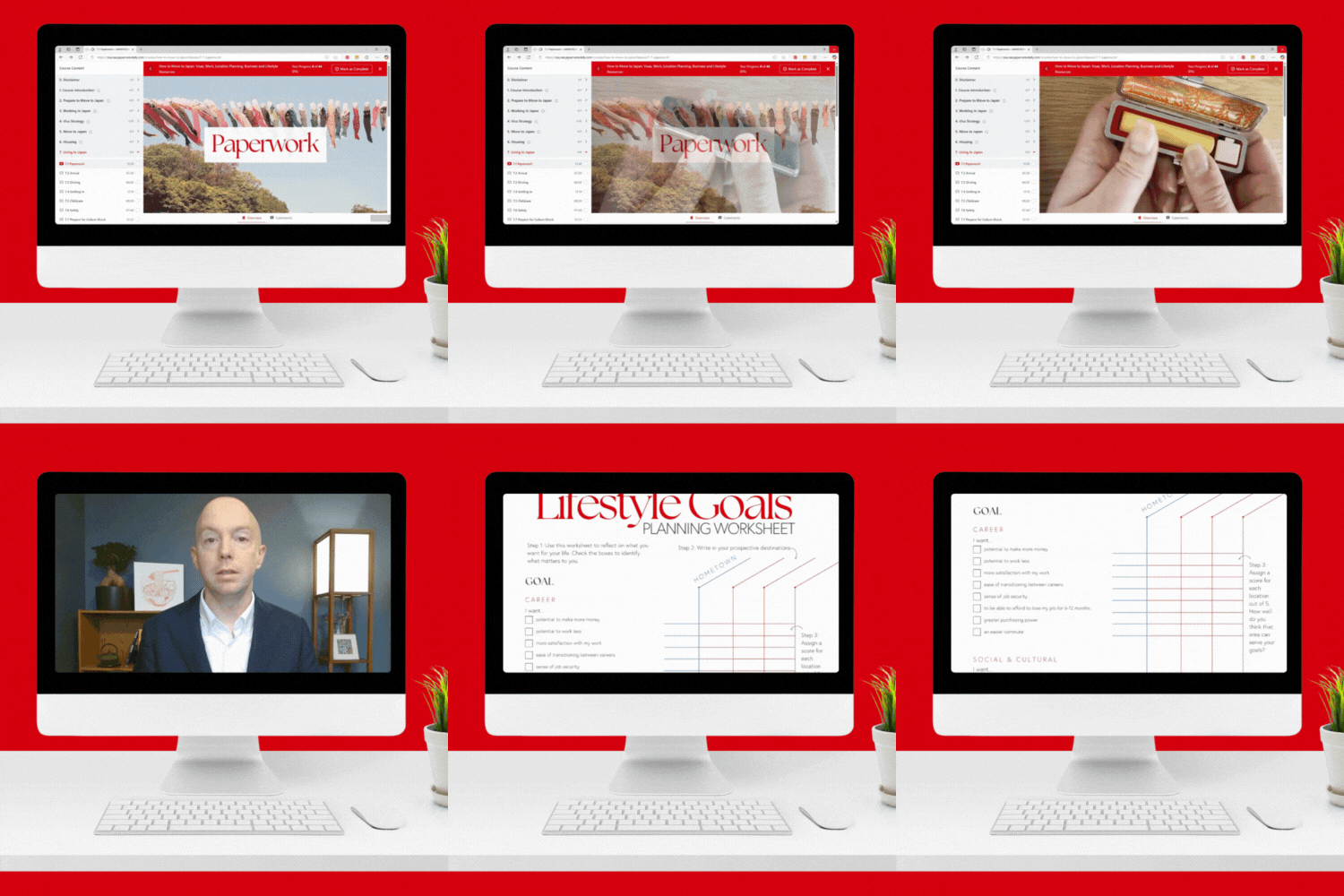
That’s why we made Japan Remotely Academy.
It’s years of hard-learned lessons, condensed into an easy-to-follow library of resources: how to get better jobs, find the best places to live, find foreigner-friendly housing and employment, and more! So you can move to Japan the best way for you (and the best way for Japan!) the first time around!
How much is a coworking space? Coworking rates in Japan are very affordable, with hourly prices between ¥300 to ¥1500/hour, and many locations have a daily fee “cap”. Some rural coworking space rates are around ¥6,000/month or ¥60,000 ($380USD) for an entire year.
Yes, that’s right. You could buy a Starbucks cappuccino for $5.95 every day for two months in the US. Or you could cover a coworking space membership in Ehime prefecture for an entire year.
Japan has over 10 million abandoned houses, many of which are in reasonable condition. (Source: New York Times)
There are a few ways you could use Japan’s real estate surplus to solve your office needs. Let’s take a look.
You can find or remodel a house into a duplex-style home/office.
To meet the office space requirement of the business manager visa, it can be possible to use a home office withe the right finessing. It could be in the same building as long as it has its own door and is separate from the living quarters of the house.
Take a peak at my former house in Japan. The home entrance is street-side on the right. A lawyer had an office with a separate entrance built into this house. If you find (or remodel) a house to be like this, you can meet the requirements!
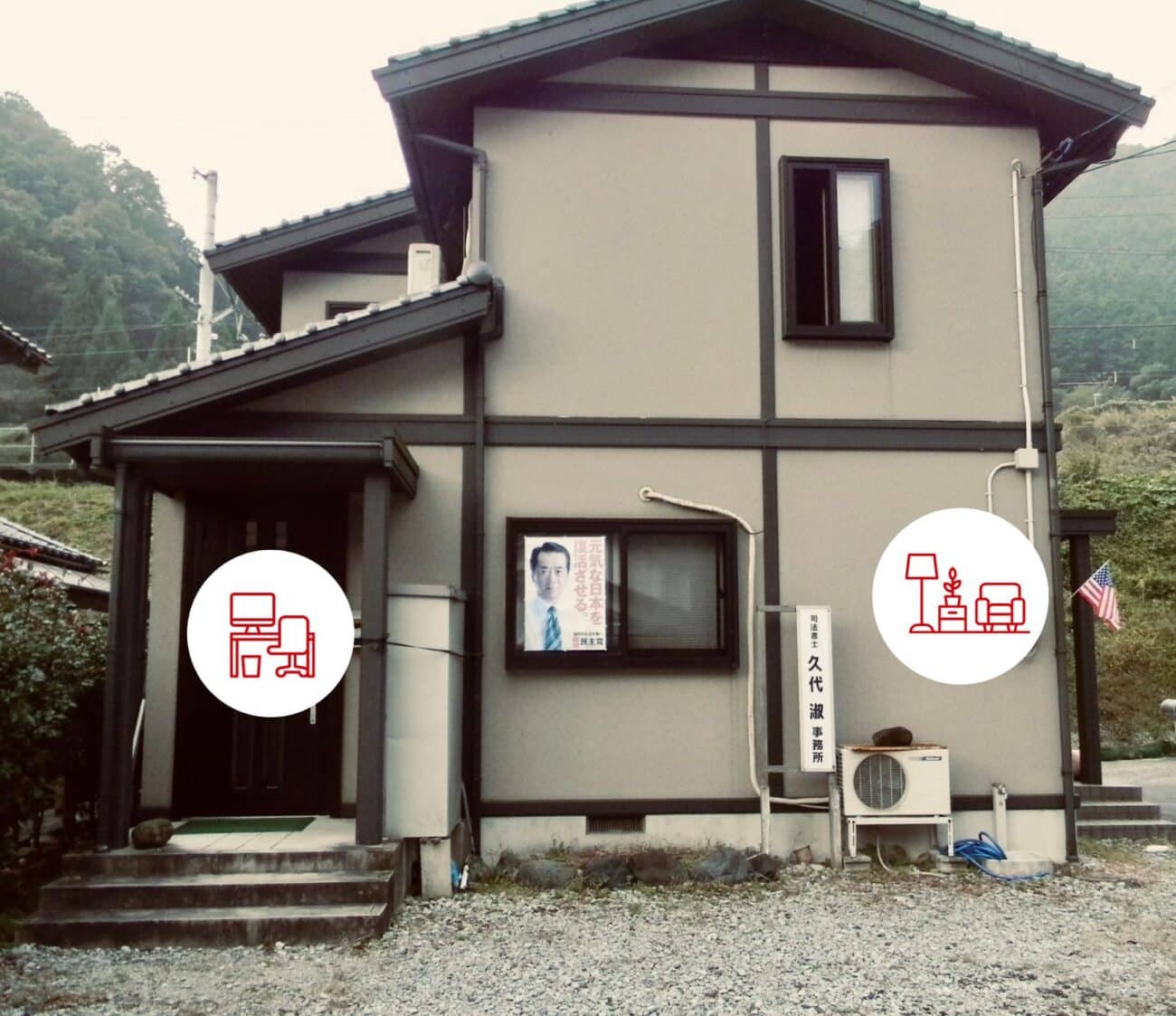
Another option would be to have two houses (one for living and one for working). There are lots of little houses, old restaurants, or tiny offices you can find and buy to put your desk in – especially in the countryside.
If you want to up-scale this scenario a bit, let’s examine a case where an entire house is converted to a multi-employee office space.
Take a look at this 7-DK vintage folk house in sunny Okayama is $36k. And while old houses like this likely need at least a bit of updating, the price of Japanese renovations will still run less than the price of a US tenant space build-out.
And just for kicks, let’s compare the price of this house to the price of office rent in Tsuyama-shi’s sister city: Santa Fe, New Mexico.
Based on a general tatami size of 3′ x 6′, this house is estimated to be a total of ~2,765 SF.
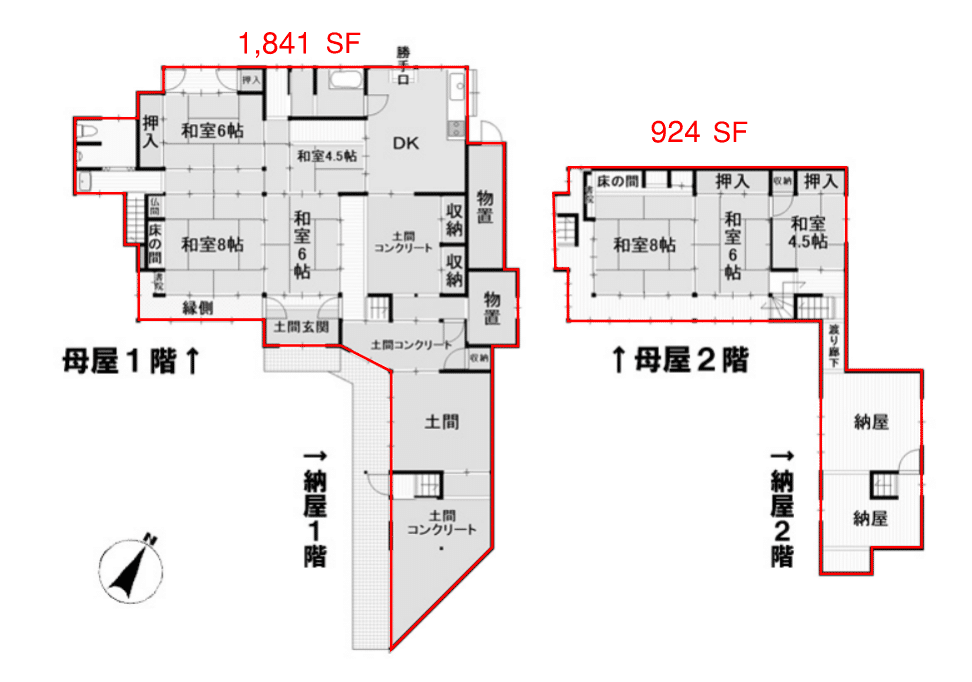
2765 SF of [converted] office in Tsuyama-shi, Okayama, Japan, $36,000 purchase price ÷ 37 employees = $973 per person outright.
2765 SF of rented office in Santa Fe, New Mexico, USA x $35/SF average office rent ÷ 37 employees = $2615 per person, per year.
Yes, this is a rough simplification. But the potential to save a lot on commercial office rent over multiple years is undeniable.
And it’s not as wild as it sounds! Adaptive Reuse is a term in architecture when a building is converted for a purpose other than the original intent.
It’s like upcycling for buildings, but the result will often have more character than a typical new build or renovation.
So with the plethora of traditional old kominka houses and vacant houses across Japan available at shockingly affordable prices, why not just turn one into an office? It’s not a crazy idea, it’s already being done! Which leads to our next scenario…
Want to get even more creative than having a plain old office? What if you bought a large house and started a coworking business?
Open your office up for coworking memberships, creating added revenue opportunities, built-in local networking and professional community building, and a business plan that could open up a pathway to the business manager visa track. ✅ Coworking is getting more common, even in rural Japan, and you could do the same thing!
There are many empty houses in Japan but there are also many creative conversions taking place including hostels, galleries, community centers, cafes and coworking spaces.
Check out these real life examples that turn traditional old Japanese kominka houses into beautiful office spaces:
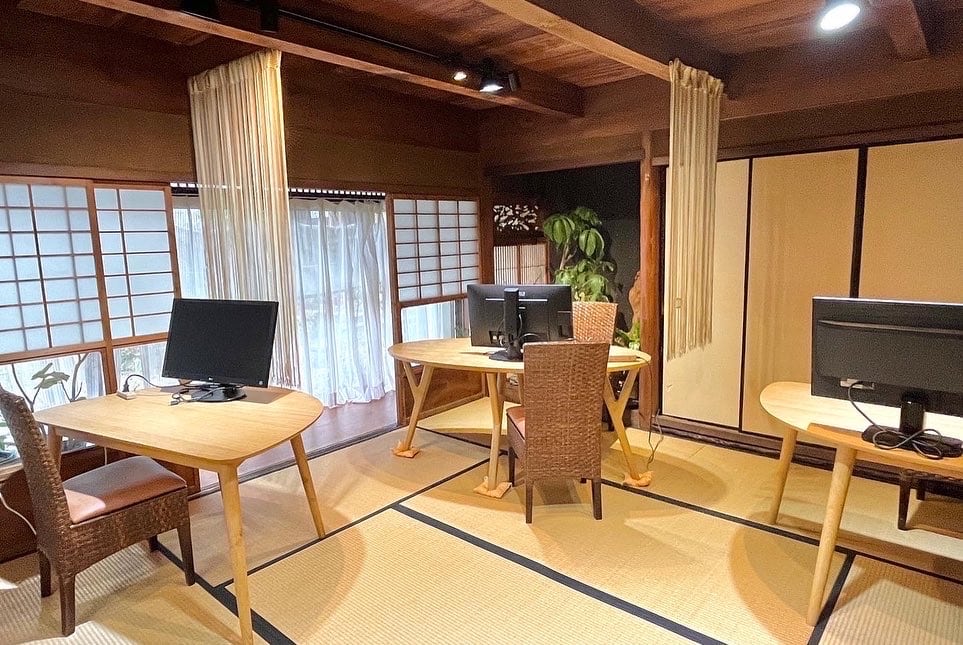
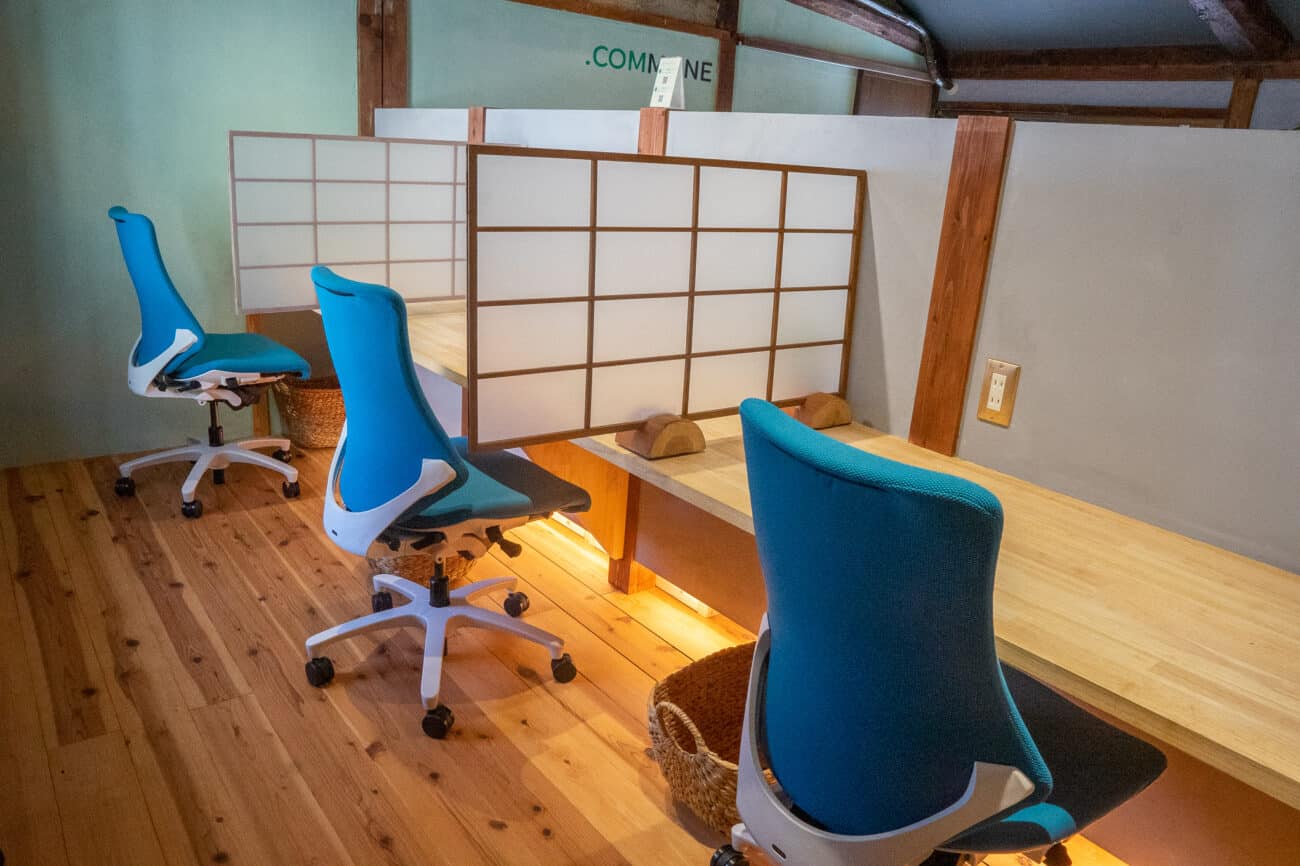
By the way, Mr. Watanabe from Coworking & Shared Office COMMUNE in Osaka extends their friendly welcome to guests from overseas. Thank you, Watanabe-san!
Not only could a Japanese house be a wildly affordable office space, but it has the potential to bring an added layer of meaning and value through the green story.
For a business whose mission is related to sustainability, culture, arts or architecture, what a lovely way to express organizational values this would be!
For those who aren’t required to have a dedicated separate office building, a home office is the ultimate affordable option.
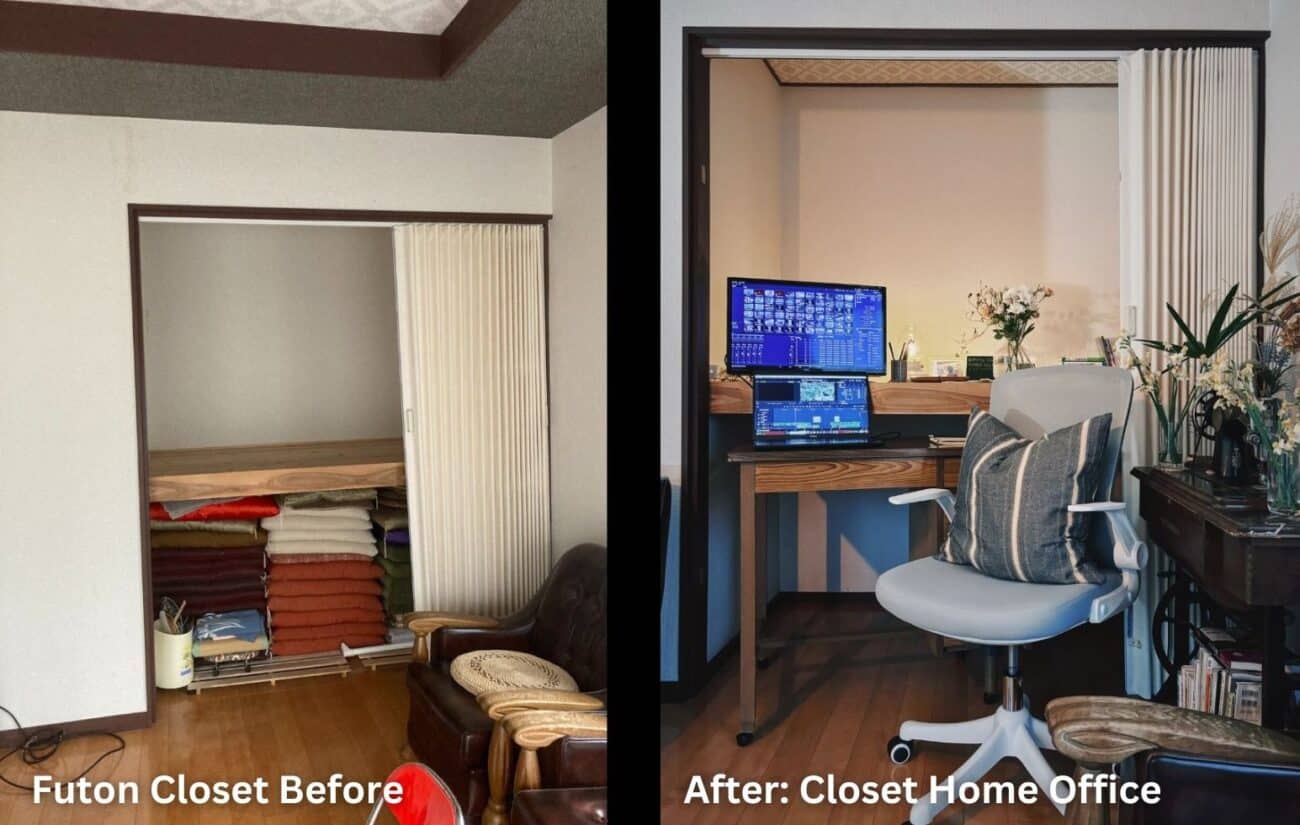
Maybe you’ve already seen closets turned into a home office before. But the opportunities are pretty strong in a Japanese house. Futon closets are in nearly every room, and the horizontal surface is a great space to place a monitor, printer, files, and anything else you could need for a one or two-person operation.
It might be a bit higher than desk level, which can be accommodated by either 1. using a taller chair or 2. putting a normal-height desk on wheels, then sliding it under when not in use. Find a work chair that folds and fits under and *voila,* you’ve got a hidden home office!
Here at Japan Remotely, we provide in-depth, personalized consultation services to help with your move to Japan. This includes custom strategy planning for your business, visa strategy, and lifestyle (we call it your Action Plan!).
Interested to learn more? Talk to us! We are happy to discuss a custom strategy.
✔️ This article has been reviewed for quality by Nick, an experienced Immigration, Business, Lifestyle and Moving Consultant at Japan Remotely.
Please note that the information in this article has been provided for your convenience and general information purposes only. Please check with primary sources for the most up-to-date information.

23 February, 2026