





3 June, 2026


It’s the question we get most often!
Access to high quality of life in Japan is becoming increasingly lucrative. With shockingly affordable homeownership, accessible healthcare, free healthcare for kids, low crime rates and fascinating domestic cultural tourism to enjoy, more and more people are seriously considering a permanent move to Japan.
Still, most people in the world will never move to another country, so understanding the ins-and-outs of visa applications, permanent residency, and immigration procedures can feel impossible!
And while Japan sometimes has a reputation for rules and paperwork, there is a bright side to it!
For your visa, the requirements and steps are straight-forward and clearly outlined. While there may be some subjectivity to application reviews, there is plenty of information available to create a clear, effective, actionable plan!
I’m already feeling optimistic, how about you? 🙂
Ultimately, there isn’t a single “best” visa for Japan. The ideal visa is the one that aligns with your vision and goals, enabling you to pursue the education, work, and lifestyle you are dreaming of.
There are several different kinds of visas and they all have pros and cons. Some have restrictions on work, some need to be provided by an employer, some require advanced in-demand technical skills, and more. But don’t worry!
Together with Nick at Japan Remotely and the team, we were able to make this visa mess as simple as possible! What we’ve assembled below starts with the best options. This way, you can get a clear idea of what visa strategy aligns with your dream path to Japan.
Permanent Residency is the “gold standard” status that many people want to work towards. Permanent Residency allows the greatest employment flexibility, permission to stay and live in Japan indefinitely, and more access to services such as some banks or home loans.
It is not a visa and you don’t need to re-apply for PR status. Many people desire permanent residency for peace-of-mind and the feeling of stability.
While it is not possible to earn Permanent Residency status before moving to Japan, some visa strategies will unlock access to a Permanent Residency Fast-Track.
Read more 👉 The Permanent Residency Fast-Track Guide
If you think you will want to live in Japan for a long time, it’s a great idea to have a visa and residency track well-researched and planned before you make the move.
Most people need to live in Japan for ten years before being eligible for Permanent Residency. But when you design your visa strategy well, you can reduce the wait to as few as five, three, or even just one year later!

Besides Permanent Residency, the next best visas are for those with Japanese Family. Spouses, children, grandchildren, and biologically related family members may be eligible for these visas.
The Spouse or Child of Japanese Nationals Visa requires one precious document: It’s the koseki 「戸籍」(meaning: family registry). This certificate proves Japanese lineage of you (or your spouse).
If you don’t have a copy, ask your family or contact the local municipal office where your family lived. This document will not be available online.
Family visas based on connections to Japanese citizens are temporary but extendable and do not carry work-related restrictions. 🎉
If your spouse is NOT Japanese your situation may be a little different. Read more on that situation here.
***Please note that domestic partners who have not legally registered marriage at a municipal office are not eligible for a spouse visa.
You may be granted a visa that is valid from 6 months up to 3 years.

For well-paid employees, high net-worth managers and investors, this visa track is a highly preferred option. It offers a fast-track route to permanent residency. Some people even consider it the “Golden Visa” equivalent for Japan.
This type of visa is obtained with help from an employer. Eligible work may include such careers as an academic position at a university, working in tech, or running a company.
This visa uses a point system to calculate eligibility and considers factors such as academic background, work experience, income, and Japanese language ability.
Japan has pursued initiatives to attract talent from abroad. As a result, this visa allows more flexibility, privileges and preferential treatment compared to other work visas.
This visa may be granted for 1, 3 or 5 years and is renewable.
Hi! Are you planning your move to Japan? It’s stressful and confusing!
That’s why we made Japan Remotely Academy.
It’s years of hard-learned lessons, condensed into an easy-to-follow library of resources: how to get better jobs, find the best places to live, find foreigner-friendly housing and employment, and more! So you can move to Japan the best way for you (and the best way for Japan!) the first time around!
The business manager visa is difficult to get running, but grants privileges to work and earn independently and with flexibility. It requires a dedicated office, kick-off capital, staff and other preparations. For established entrepreneurs and experienced business owners, this may be a great option to continue what you already do… but in Japan!
This visa may be granted for 3 months up to 5 years and is renewable.
A start-up visa is a 6-month visa intended to provide prep time in anticipation of a Business Manager visa application.
Since the Business Manager visa requires a dedicated office, an established network, and other preparations in-place, this visa should be viewed as a temporary status only, and is non-renewable.
Japan’s newest Digital Nomad Visa has been received with mixed reviews. It is only valid for 6 months and is not renewable.
That being said, it is longer than a tourist visa and allows one to work in the country legally. This may also be enough time to get settled, network, and make preparations for a more permanent (alternative) next step.
Since these workers are anticipated be transient, digital nomads are expected to come prepared with their own additional health insurance. “[Digital nomads] must hold a private medical travel insurance which covers death, injury, illness during their stay.” (source: Immigration Services Agency of Japan)
For those with a basic level of Japanese language skill and without a bachelors degree, there are several industries that can provide a “specified skilled” visa. These may include agricultural, janitorial, construction, service, nursing, and labor-based roles.
This visa can not be renewed after five years, and does not allow residency privileges for family members.
As the jobs under this visa type generally have a lower pay rate within the country, switching to another visa type may be challenging for a “specified skilled” worker.
There are a few other work visa track options, such as those for trade interns or diplomats.
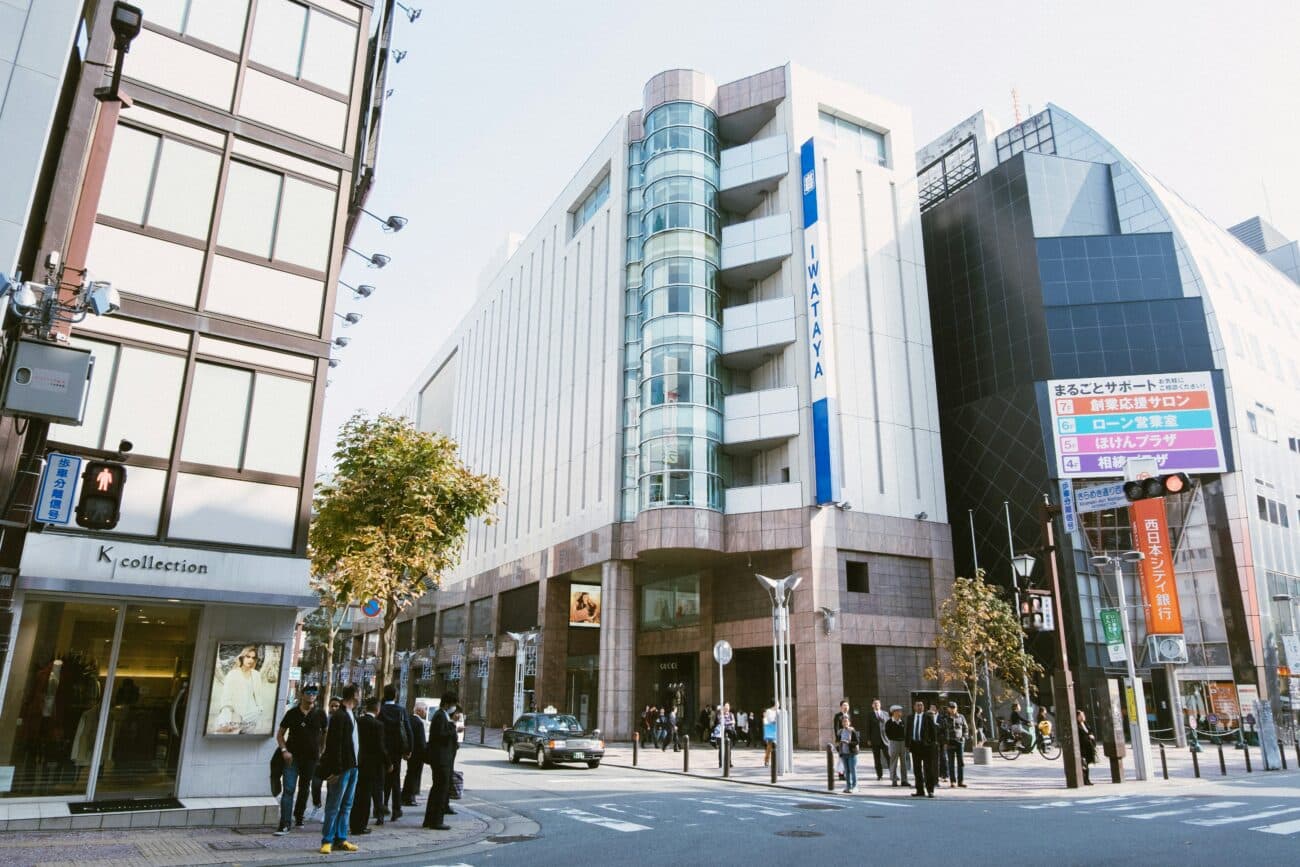
In order to apply for this visa, you are planning to enroll as a student at a university, vocational school, language school, or primary school in Japan.
You will need a sponsor or at least ¥3,000,000 (~$20k USD) in savings. Apply for this visa well in advance before the school term starts.
This visa lasts up to two years. You can apply for extensions up to a total of just over four years. Up to 18 hours of part-time work is permitted.
A student visa track is a great way to get your “foot in the door” in Japan, build a network, get settled, and gain local experience. There are even higher education degrees available in English!
Hi! Interested to learn more about Japanese language schools with your own free language school concierge?
KOKO JAPAN is an an education agency that partners with Japanese language schools, vocational schools, and universities to support students from North, Central, and South America with the application process to study in Japan
They help you with study abroad counseling, school applications, student visa guidance, share house placements, and more! Best of all, it’s a completely free service!
In conclusion, planning a visa track is not only a good idea to achieve residency. It is truly intertwined with holistic life planning, including quality of life and personal career development.
Navigating the process of obtaining a visa to live in Japan may initially seem daunting, but with clear guidelines and a variety of visa options available, it can be more straightforward than expected.
With determination and the right approach, making a long-term move to Japan can be an achievable and rewarding goal!
Long-term visas for Japan may require a fee between 3,000 yen and 6,000 yen (~$20 to $40 USD). (source: Japan Ministry of Foreign Affairs: Visa Fees)
If you play your cards right by making the right visa / residency strategy, have a record clear of criminal offenses, you continue to paying taxes and following the rules, it is possible for non-Japanese foreign residents to live in Japan indefinitely.
There are many factors that will determine which visa track eligibility, including established annual income, savings, education, and more. The J-Skip track offers the best benefits but is difficult to qualify for.
Generally speaking, a business manager track is the next best option to provide flexibility for working independently. Feel free to reach out for more personalized advice.
No, there is not a visa for people who wish to retire to Japan.
That being said, there are creative alternative strategies! For example, you could buy an established business or franchise.
Yes, it is common for expats and international people to arrive to Japan on a student or work visa, and then file an application for a different kind of visa.
For example, a student graduates and accepts a full-time job. In this case, a new visa is necessary.
If an English Teacher quits their job to marry a Japanese National, they need to file for a new visa.
If someone on a work visa wishes to freelance on the side, they should file for an additional permit or switch to a business manager visa.
***There are some scenarios where you need to apply or re-apply for a visa from outside of Japan.
Yes, anyone who plans to work in Japan should get a visa in advance.
Yes, they can work under a Dependent Visa, which allows up to 28 hours of work per week. If the primary visa holder is a Japanese citizen or holds a visa in the Highly Skilled Foreign Professionals program, the dependent can work unlimited hours. Read more: Can my spouse/partner work in Japan?
No, buying a house in Japan doesn’t provide any additional residency privileges. That being said, some people have reimagined vacant, affordable houses for commercial use, etc. As a profitable business, this could be an opportunity to get on a Business Manager Visa track!
This will depend on the capacity of the office where you apply. Therefore, it may take anywhere from a few weeks to three or more months for an application to be processed.
In addition, reserve time for your application preparation, as you may need to request special certificates and documents.
Any stay longer than 90 days requires a visa. People from China, Russia, the Philippines, Vietnam, and some other countries require a visa for any duration of stay. US Citizens can enter Japan on a tourist visa without applying in advance.
Perhaps a better question is “How long can I stay in Japan before applying for a long-term visa?” People from most countries are able to stay in Japan on a tourist visa for up to 90 days.
But also note that processing a new visa will likely take several weeks, and needs to be completed before your tourist visa ends. Overstaying a visa without advance permission is a serious offense.
Here at Japan Remotely, we provide in-depth, personalized consultation services to help with your move to Japan. This includes custom strategy planning for your business, visa track, and lifestyle (we call it your Action Plan!).
Interested to learn more? Talk to us! We are happy to discuss a custom strategy.
Ministry of Foreign Affairs, Consular Services: “Visas“
Ministry of Foreign Affairs, Consular Services: “Procedures Chart for Work or Long-Term Stay”
Ministry of Foreign Affairs, Consular Services: “Highly Skilled Professional Visa”
Immigration Services of Japan: “Digital Nomads”
Ministry of Economy, Trade and Industry: “Startup Visa”
✔️ This article has been reviewed for quality by Nick, an experienced Immigration and Moving Consultant at Japan Remotely.
Please note that the information in this article has been provided for your convenience and general information purposes only. The final judge on your state of residency and visa will be the Japanese Ministry of Justice. There is no guarantee that they will approve your application.

5 May, 2026

23 February, 2026